Your Pain Is An Opportunity.
Thoughts From the Mat
Someone I have been working with — a man who survived a serious car accident — shared something deeply meaningful with me. His words stayed with me, and I feel they are worth sharing.
Before the accident, he was known by everyone as a very *serious* man. Rarely smiling. Always composed, guarded, controlled. Friends and loved ones would often ask him:
“Why are you always so serious? Why don’t you smile?”
He didn’t have an answer. It was simply who he believed himself to be.
Everything changed after four sessions together.
The First Session: Addressing Shock, Not Symptoms
In our first session, my focus was not on fixing pain, posture, or mechanics. It was on **shock**.
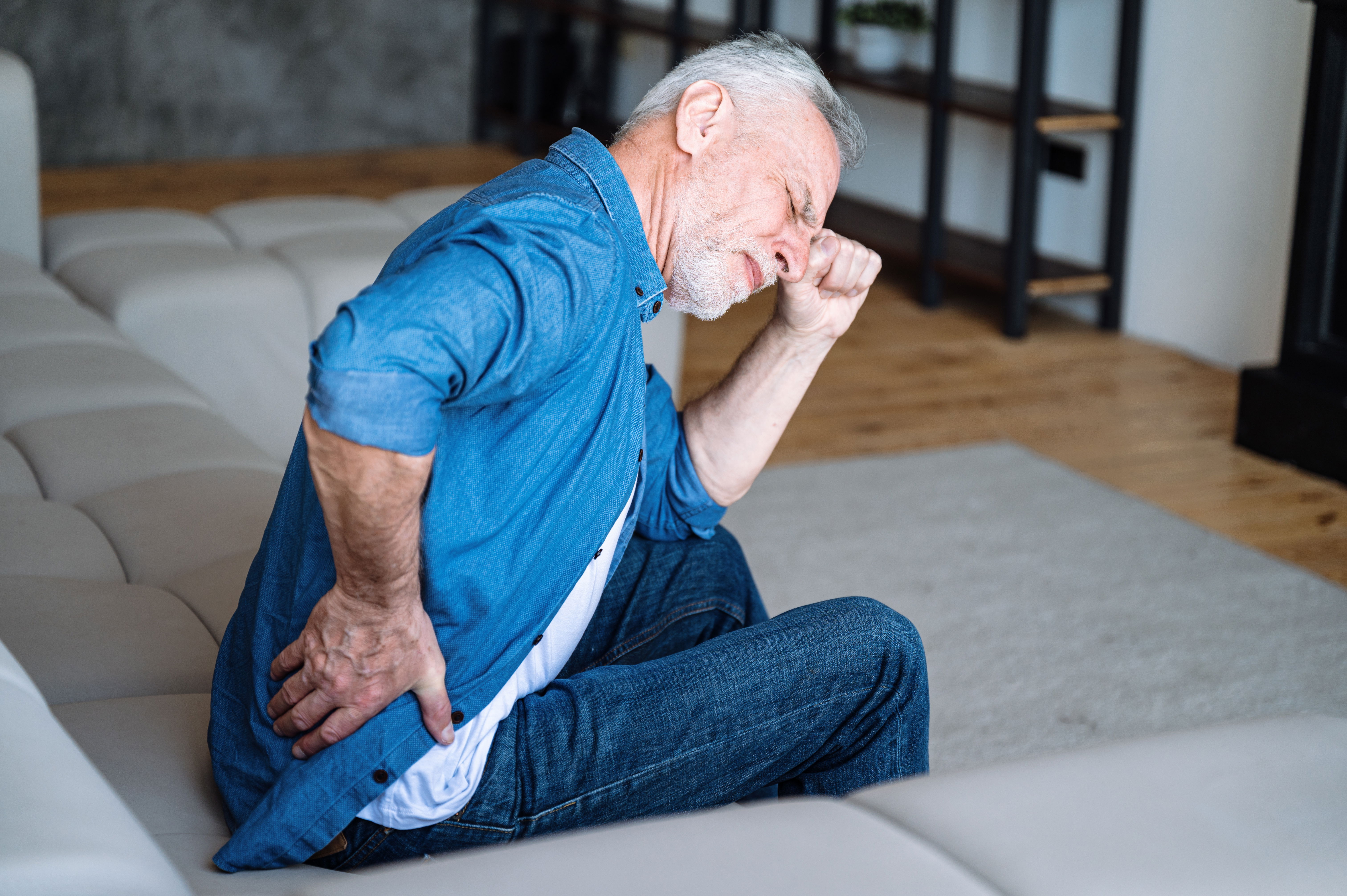
A car accident is not only a physical event — it is a nervous system event. Even when the body appears to heal, the nervous system often remains frozen at the moment of impact.
We worked on releasing the acute trauma imprint: the stored shock, the bracing, the silent alarm that never turned off after the accident.
I also mentioned something gently, without pushing:
“When the nervous system feels safe enough, it doesn’t only release recent trauma. It may begin to unwind much older memories as well.”
At the time, he nodded politely. I don’t think he fully understood what I meant — and that was perfectly fine.
The nervous system doesn’t need belief. It needs safety.
When the Body Feels Safe, the Past Emerges
By the third and fourth sessions, something subtle but profound began to happen.
- His breath changed.
- His face softened.
- His body no longer held itself as if impact was imminent.
Then one day, after a session, he looked at me with surprise and said:
“Something strange is happening. I feel lighter… and I don’t know why.”
Shortly after, memories surfaced — not as dramatic stories, but as **felt sensations**.
Old emotional imprints from childhood. Moments where he had learned, silently and unconsciously, that it was safer not to feel too much.
Not because his parents were bad.Not because life was cruel.But because his nervous system had adapted.
Seriousness was not his personality. It was protection.
Pain as a Portal, Not a Punishment
This is something I see again and again in my work.
Pain is rarely the enemy. Pain is often the **entry point**.
Physical pain, emotional pain, chronic tension — they are not random malfunctions. They are intelligent signals from a nervous system that has learned to survive.
When approached with force, pain resists. When approached with curiosity and safety, pain begins to speak.
In this man’s case, the accident cracked open a long-held pattern. The body finally had a reason — and permission — to let go of decades of guardedness.
And when that happened, something unexpected emerged.
Joy.
The Moment Everything Changed
During one of our sessions, as his body began to genuinely release, something unexpected happened.
He started to **giggle — like a little child**.
At first, he tried very hard to stop it. You could feel the internal effort to contain what was happening. He looked confused, even slightly embarrassed, as if this spontaneous response didn’t belong in an adult body.
But the body doesn’t ask for permission when safety arrives.
As the session continued, the giggling softened. The effort to control it faded. And by the end of the session, something clicked.
Later, reflecting on the experience, he said:
“Now that some of the pressure has been released, I feel like I have more space to laugh. Before, I felt like I had no space to laugh.”
That insight alone was profound!
Because what he was describing wasn’t emotional — it was *somatic*.
Space had returned to his nervous system.
When Release Comes in Waves
This didn’t happen just once.
Over the next three sessions, the pattern continued — giggling, tears, memories surfacing and dissolving. Not forced. Not analyzed. Simply allowed.
Each session peeled away another layer of held pressure, another protective contraction that had lived quietly in his body for years.
After four weeks of treatments, something remarkable had occurred:
* His **chronic pain was gone*** His body felt lighter and more responsive.* He had learned how to help himself regulate and release.
Even more unexpectedly, he noticed that his presence alone began to affect his family. By receiving the work himself, his nervous system became calmer—and that calmness spread.
Words That Stay With Me
In our final session, he said something I will never forget:
“I did not know how much I could change myself through my body."
How my thoughts and my emotions could change through the body. Now I tell everyone in my life: don’t try to cope with your pain and suffering alone. Go to someone for help.
I did that my whole life, and I suffered — until this recent accident. I am happy that I got into this accident. It brought me to you, and it changed me for the better.”
What Healing Really Looks Like
Healing is not about becoming someone new.
It is about removing what never truly belonged.
This man didn’t *learn* to smile. He didn’t practice positivity. He didn’t force change. His nervous system simply stopped needing to hold the world at a distance.
And when safety returned to the body, his natural state resurfaced.
Why I’m Sharing This?
I’m sharing this because I see it every day.
So many people are **trapped in their bodies** — moving through life while consciously or unconsciously carrying pain, tension, and unresolved survival patterns.
They cope.
They push through.
They normalize suffering.
But coping is not healing.
Pain is not a personal failure.
Pain is often an **invitation**.
An opening.
A chance to evolve into the man or woman you already sense yourself to be — beneath the tension, beneath the armour.
Please don’t wait for an accident to force the door open.
Seek help.
Let your body show you what it’s been holding — and what it’s been waiting to release.
Pain is an opportunity.
Not because suffering is good — but because the body is intelligent.
And when given the right conditions, it knows exactly how to heal.
Sincerely,
Mihael Mamychshvili
NeuroPath Reset Method