Knee Injuries: What Is Your Body Asking You to Look At?
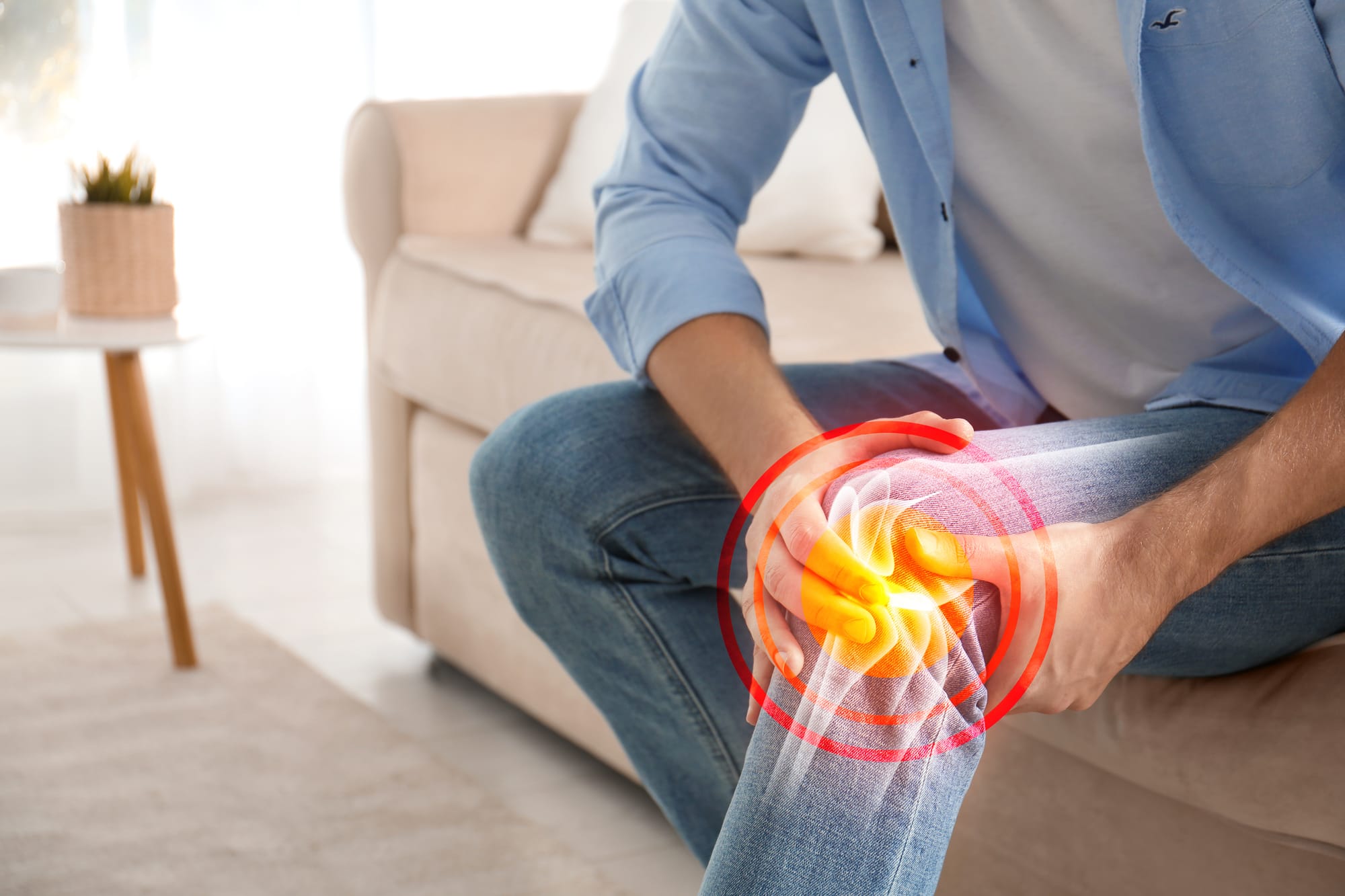
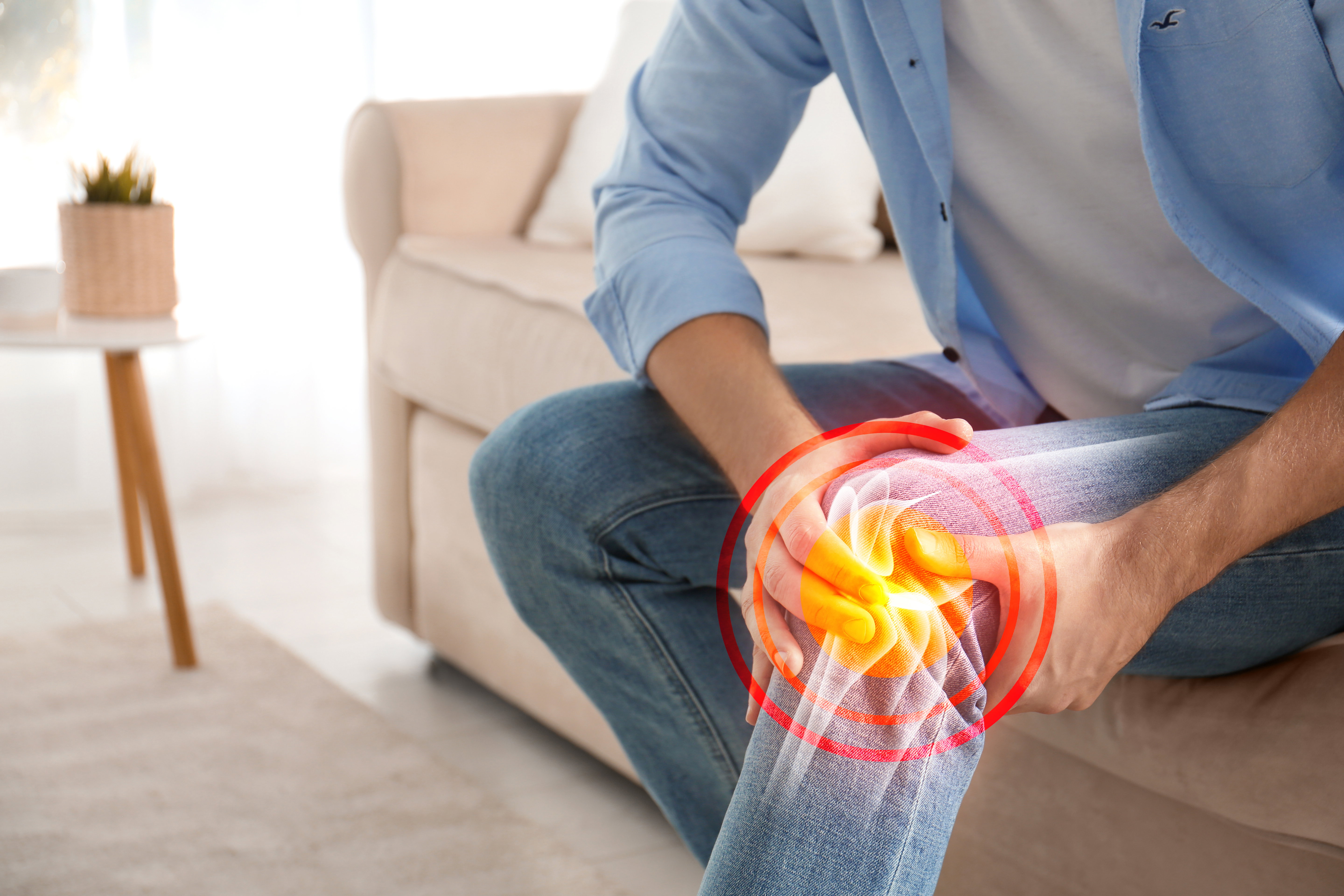
When we injure our knee, the first question is usually:“What happened physically?
”Was it a meniscus tear?
A ligament injury?
Cartilage damage?
Inflammation?
Overuse?
A sudden twist or impact?
These questions are important. We need to understand the physical structure and what has happened to it.
But when I work with the body, I also like to ask another question:
“What else is happening in this person's life?
”Because the body is not separate from our emotions, our nervous system, our experiences, and the way we move through life.
This doesn't mean that an emotional issue directly causes a torn meniscus or that every knee injury has a hidden emotional meaning.
It means that an injury can sometimes prompt us to look more deeply.
The knee and moving forward
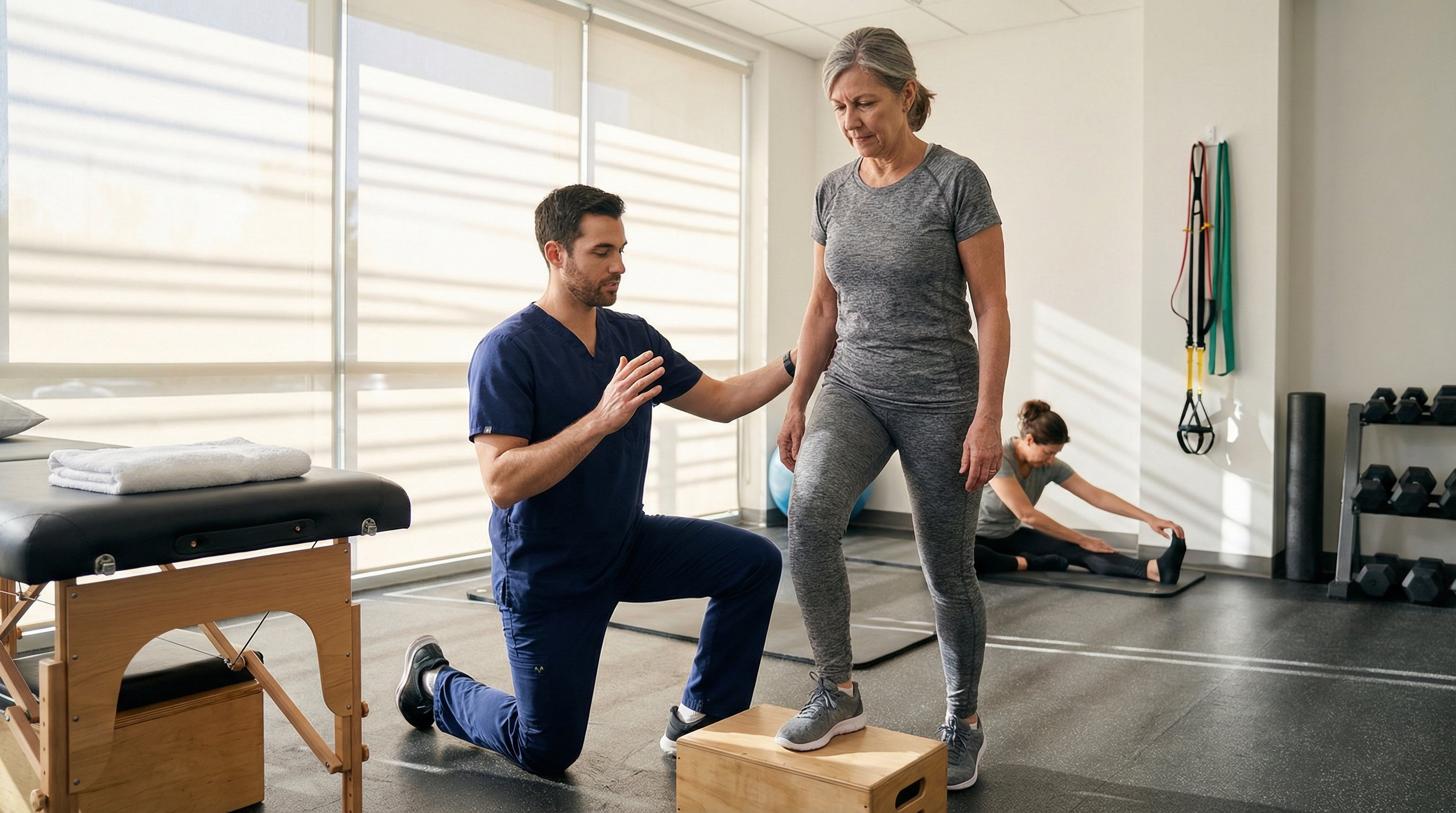
Think about what the knees allow us to do.
They allow us to walk.
To run.
To bend.
To change direction.To absorb impact.To rise again.
They literally help us move forward.
So I find it interesting to explore the question:
How am I moving forward in my life?
Am I moving with confidence?
Am I constantly pushing?
Am I afraid to change direction?
Am I holding myself back?
Am I carrying too much?
Am I trying to control everything?
Or have I become exhausted from always having to keep going?
These questions don't explain the physical injury.
But they can help us understand the person experiencing the injury.
The person who is always pushing

I see this pattern often.
Incredibly capable people.People who take responsibility.People who look after everyone else.People who don't like to stop.People who have learned to push through discomfort.
They tell themselves:
“I'll rest when this is finished.”
But there is always something else to finish.
Another responsibility.
Another person to help.
Another goal to achieve.
Another problem to solve.
Eventually the body can become the place where the pressure is felt.
Again, this doesn't mean that pushing yourself emotionally caused your knee injury.
But it is worth asking:
Was I listening to my body before it became impossible not to?
When the body forces us to slow down
An injury can suddenly take away our ability to do the things we normally do.
You can't run.
You can't squat the way you used to.
You can't climb stairs comfortably.
You may need help.
You may have to change your work.
You may have to stop exercising.
And for some people, this can be more difficult emotionally than the physical injury itself.
Because suddenly we are confronted with something many of us don't like: Our limitations.
If your identity has been built around being strong, active, independent, productive, or capable, an injury can challenge that identity.
You may start asking:
“Who am I if I can't do what I used to do?”
“What happens if my body doesn't recover?”
“What if I can't return to the person I was?
These are real emotional experiences. And they deserve attention too.
The nervous system is part of the story.
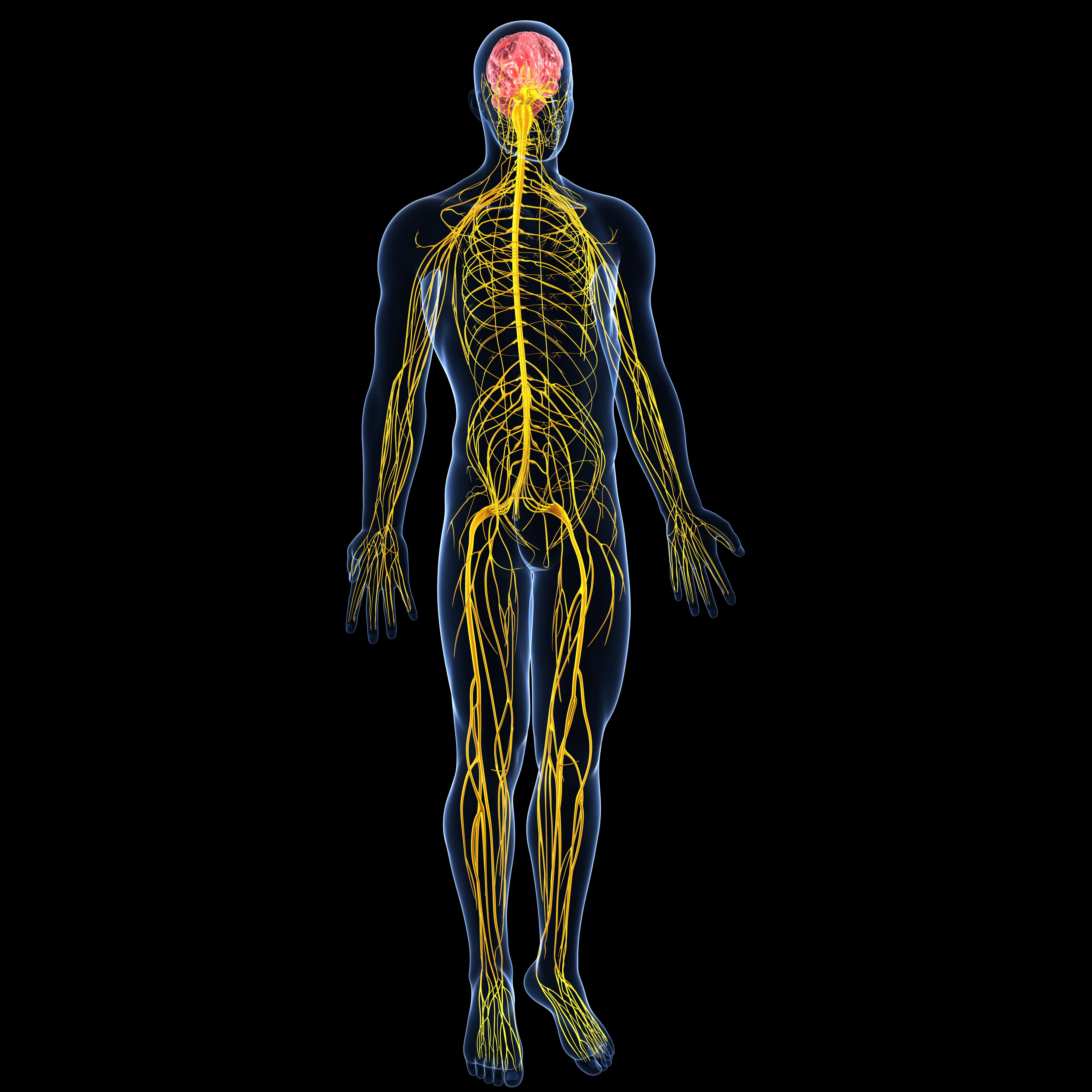
When we experience an injury, the nervous system is immediately involved.
Pain tells us to protect ourselves.
Fear can make us cautious. And sometimes that protection continues long after the original danger has changed.
We become afraid to move.
We start anticipating pain.
We protect the knee.
We tense the surrounding muscles.
We avoid certain movements. And gradually our world can become smaller. The nervous system begins to associate certain movements with danger. This is why rehabilitation isn't only about strengthening the physical knee. It can also be about rebuilding trust and confidence in movement. We need to teach the body that movement can be safe again. What are you afraid of when it comes to moving again?
Understanding these fears can help you address emotional barriers and foster trust in your body's healing process. One of the questions I often find useful is:
“What are you afraid will happen if you move?”
Sometimes the answer is obvious:
“I don't want to tear it again.
”But sometimes there is something underneath that.
“I don't trust my body anymore.”
“I don't feel safe.”
“I feel like I'm getting older.”
“I feel vulnerable.”
“I don't want to lose my independence.”
“I don't want to slow down.”
The physical injury may be in the knee. But the experience of the injury can reach much deeper.
The knee can teach us about flexibility.
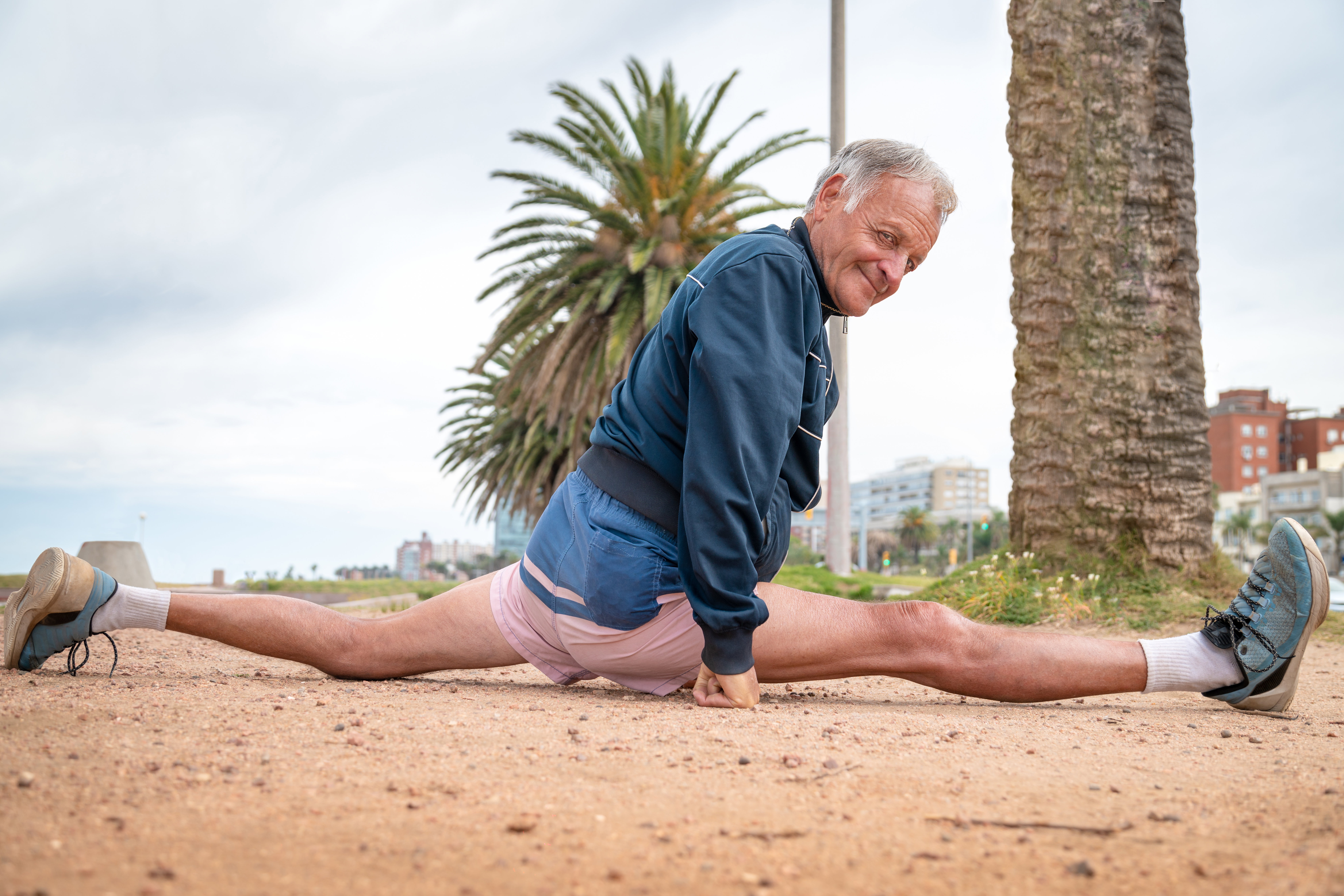
There is another quality I associate with the knees: flexibility. The knee has to bend.
It has to adapt to changing surfaces.
It has to absorb forces.
It has to adjust when we change direction. Just as the knees need to adapt and change direction, cultivating emotional resilience and flexibility can support your physical recovery and personal growth during this time.
We need to adapt.
We need to change direction.
We need to let go of old plans.
We need to bend without breaking. Sometimes we become very rigid in the way we live. We have an idea of how things should be.
How our career should look.
How our relationships should look.
How our body should look.How successful we should be. And when life doesn't go according to our plan, we struggle. This doesn't mean that emotional rigidity causes physical knee problems. But an injury can become an invitation to explore where we may need more flexibility in our lives.
The emotional side of recovery
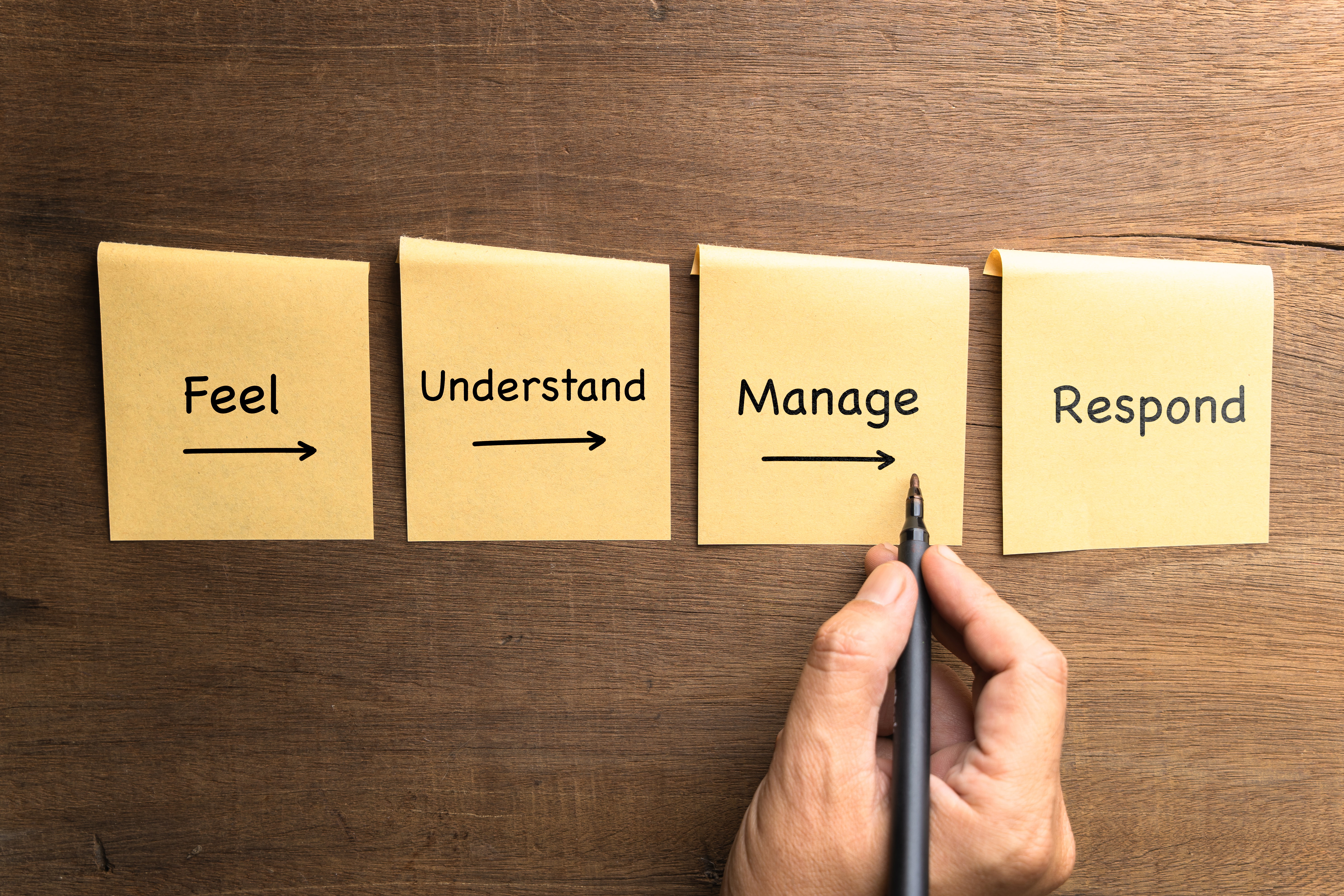
Recovery can bring up many emotions.
Frustration.
Anger.
Fear.
Sadness.
Impatience.
Grief.
Even shame.
We can become angry with our body.
We can feel betrayed by it.
We can think:“Why is my body doing this to me?”
But perhaps the body isn't doing something to us.
Perhaps the body is doing something for us.
It is trying to protect us.
It is communicating.
It is asking us to pay attention. The challenge is learning how to listen without becoming afraid of every sensation.
What if healing isn't about going back?
We often think about recovery as getting back to where we were.
Back to running.
Back to the gym.
Back to work.
Back to our old life.
And of course, rehabilitation should absolutely help us regain function whenever possible. But sometimes recovery can also be about moving forward differently.
Maybe we learn to listen to our body earlier.
Maybe we learn that rest is not weakness.
Maybe we stop measuring our worth by how much we can accomplish.
Maybe we become more aware of our nervous system.
Maybe we learn to ask for help.
Maybe we become more patient.
Maybe we discover that strength isn't always about pushing harder. Sometimes strength is knowing when to stop.
A different conversation with your knee
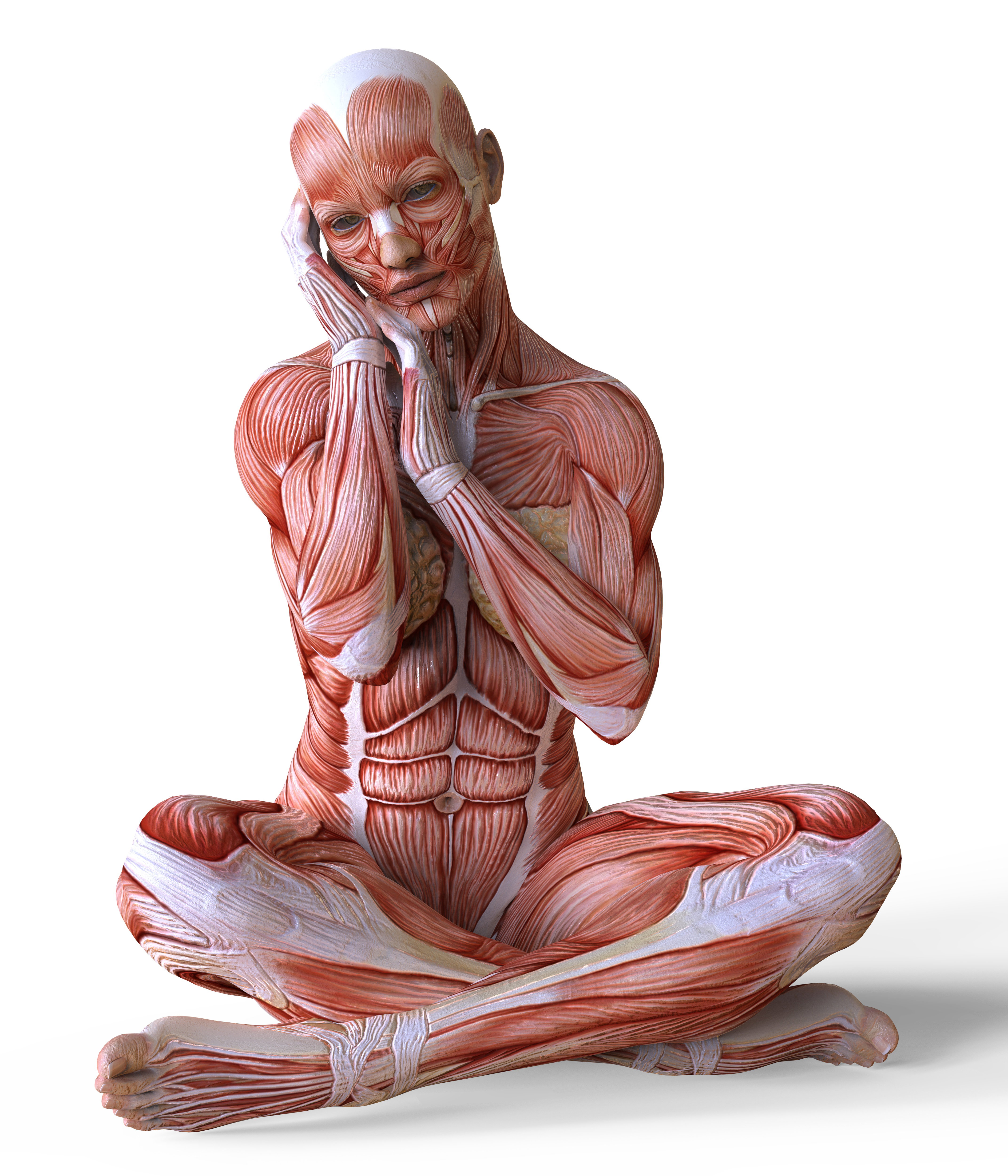
Instead of only asking:“How do I fix my knee?”
Perhaps we can also ask:“What can I learn from this experience?”
What was happening in my life when the injury occurred?
Was I under unusual stress?
Was I pushing myself beyond my capacity?
Was I ignoring signals from my body? What am I afraid of now?
What has this injury taken away from me?
What has it revealed?
Where do I need more support?
Where do I need more flexibility?
Where am I trying to control something I cannot control?
And perhaps most importantly: Can I learn to trust my body again?
The body is not the enemy.
I believe one of the most important steps in healing is changing our relationship with the body. Our bodies are not machines that have failed us. They are living, intelligent systems that constantly adapt to our environment and try to keep us safe. A knee injury is a physical event.
It needs proper assessment, appropriate rehabilitation, and sometimes medical intervention. But we are more than the injured tissue.
There is also a human being experiencing that injury.
There is a nervous system.
There are emotions.
There are beliefs.
There is a history.
There is fear.
There is identity. And there is the possibility of transformation. When we bring all of these layers into the conversation, we begin to see healing differently. Not simply as fixing a knee.But as creating a deeper relationship with the body, with movement, and with ourselves.
Perhaps the question isn't only: “How do I get my knee back to normal?”Perhaps it is: “How can I move through life with greater awareness, trust, flexibility and connection to my body?”That is a very different journey. And sometimes, an injury can become the beginning of it.
Sincerely Yours
Mihael Mamychshvili
Creator NPR METHOD