Are Meridians Finally Being Recognized by Science — Or Are We Finally Learning to See the Body Differently?
This article I wrote in response to an article I have seen on New York Times Magazine, It's All Connected - we look into the body's circulatory systems - by Sam Sifton & Inside The Interstitium: The Human body Hidden Pathways - by Abraham Cooper
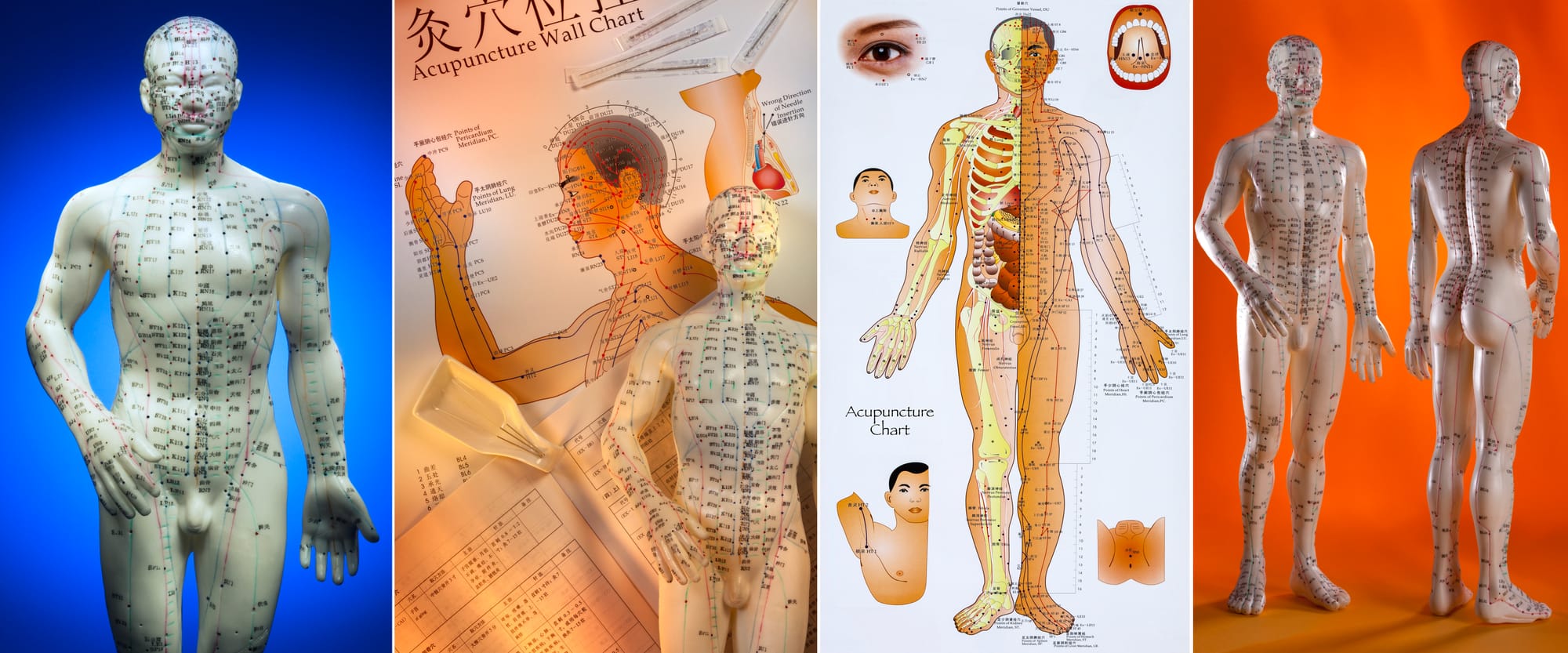
For generations, practitioners of Shiatsu, acupuncture, Chinese medicine, Qigong, and traditional healing arts have worked with something modern science often dismissed.
Meridians - Invisible pathways described thousands of years ago that appear to influence organs, emotions, pain patterns, vitality, consciousness, and the movement of life force through the body.
To many outside these systems, meridians were considered metaphorical at best and pseudoscience at worst. Yet those of us who have spent decades with our hands on people know something deeper is happening.
We have seen chronic pain shift when there was no structural explanation.
We have watched emotional trauma release through contact with specific channels.
We have felt temperature changes, pulsations, energetic congestion, tissue resistance, emotional activation, nervous system downregulation, and profound shifts in awareness through the simple act of touch. And now, slowly, science is beginning to enter territory that traditional systems have explored for centuries.
Not because ancient medicine suddenly became true. But modern science is finally developing the tools to investigate the body beyond a purely mechanical model.
The Limits of the Mechanical Model
Western medicine has achieved extraordinary things.
Emergency medicine, surgical intervention, infectious disease management, imaging technology, and acute care have saved countless lives. We should respect that deeply. But the modern medical model has also become reductionistic.
The body has largely been viewed as separate parts:
muscles, nerves, hormones, organs, neurotransmitters, and chemistry.
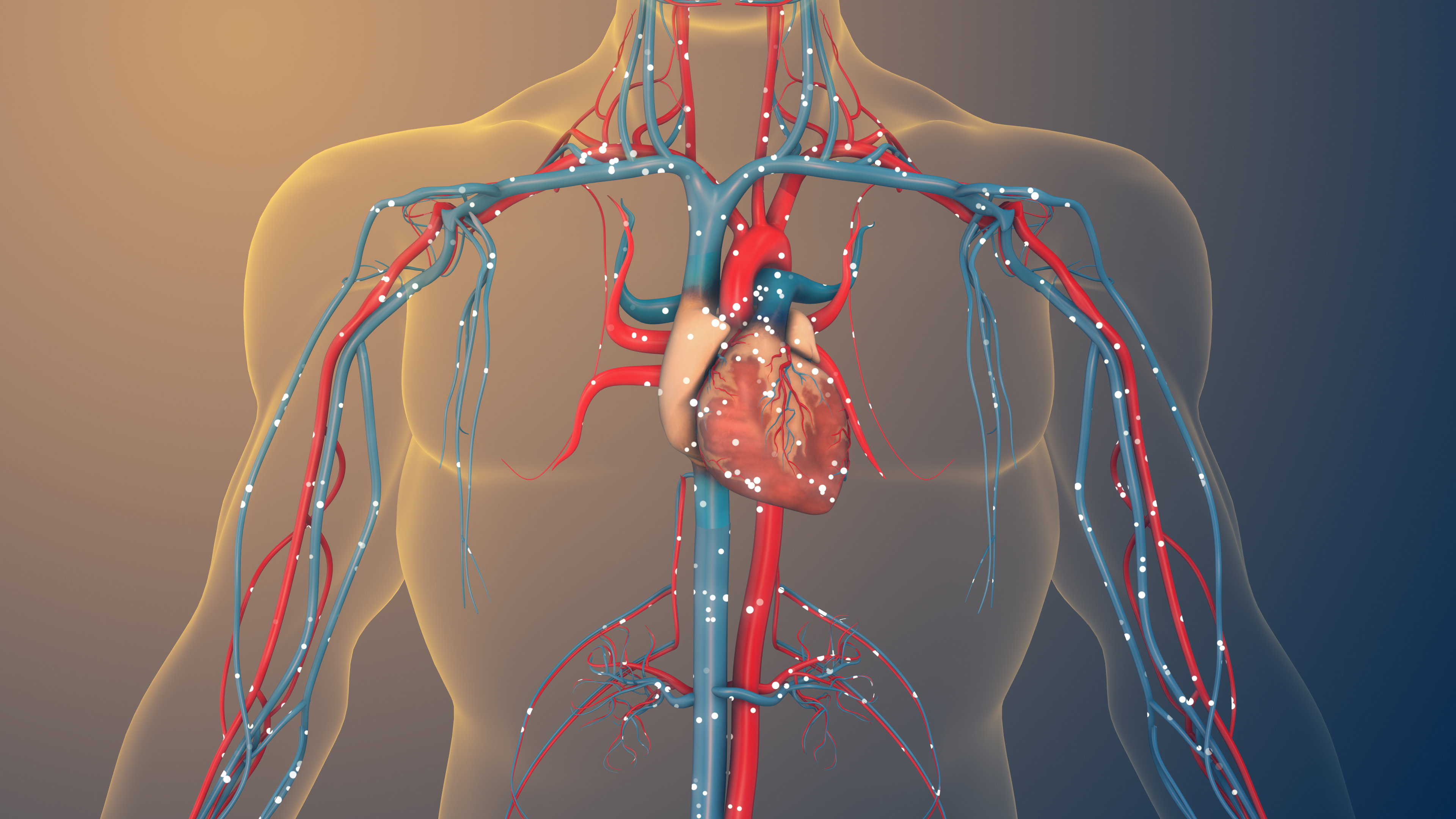
When something cannot easily be measured, scanned, or quantified, it is often dismissed. Yet human beings are not machines assembled from isolated components. We are networks. Living ecosystems of electrical signalling, fluid dynamics, connective tissue communication, emotional memory, perception, adaptation, and consciousness. The body is constantly communicating with itself through systems we are only beginning to understand.
This is where many traditional healing systems become incredibly relevant.
The Fascial System, Interstitial Fluids, and Bioelectrical Communication
Recent scientific exploration into fascia, mechanotransduction, interstitial fluid flow, and bioelectricity is beginning to reshape our understanding of the body. Fascia is no longer viewed as inert wrapping tissue. It is increasingly recognized as a sensory, communicative, and responsive network that influences posture, pain, tension patterns, proprioception, inflammation, and even emotional states.
Research is also exploring how connective tissue conducts electrical signals and how cells communicate mechanically and energetically throughout the body.
Some researchers have investigated structures such as the “primo vascular system,” theorizing that there may be anatomical pathways correlating with acupuncture meridians.
Whether these findings ultimately “prove” the existence of meridians in the classical sense remains debated. But the important point is this: Science is beginning to acknowledge that the body functions as an interconnected communication network rather than as isolated mechanical parts.
For therapists working hands-on with human beings, this is not revolutionary. It is a validation of what many have already observed clinically for years.
What Shiatsu Therapists Already Know
A skilled Shiatsu therapist does not simply press points. We listen. We enter a relationship with the body. We assess rhythm, quality, fullness, emptiness, heat, cold, stagnation, collapse, emotional holding, nervous system tone, breathing patterns, tissue texture, and energetic responsiveness.
A client may arrive with shoulder pain. But through touch, we may discover grief held in the Lung meridian, exhaustion in the Kidney system, digestive depletion affecting muscular tension, or trauma patterns creating chronic sympathetic activation. The pain is rarely just local. T
This is something many manual therapists eventually discover, regardless of modality:
- The body expresses history through patterns.
- The longer I work with trauma and chronic pain, the more I see that symptoms are often adaptive responses rather than isolated dysfunctions.
- Pain can become a language.
- Tension can become protection.
- Inflammation can reflect unresolved stress physiology.
- Collapse can emerge from years of nervous system overwhelm.
- And the meridian system often provides a map for understanding these relationships.
Trauma Lives in the Body
One of the greatest failures of modern healthcare is the separation between psychology and the body. Trauma is not only cognitive. It is physiological.
It changes breathing, posture, fascia, hormonal signalling, muscle tone, inflammatory responses, digestion, sleep, immune regulation, perception, and the nervous system itself. A person may consciously believe they are safe while their body continues living in survival mode. This is why purely intellectual approaches often fail to fully resolve chronic pain and trauma conditions.
The body must also be included in the healing process. Shiatsu, somatic therapies, osteopathy, trauma-informed bodywork, breathwork, and nervous system regulation therapies are becoming increasingly important because they engage the organism directly. Touch communicates safety. Presence communicates regulation.
Attunement helps reorganize dysregulated physiology. And meridian-based work often creates access points into deeper layers of emotional and neurological holding.
Click to watch a somatic release
The Future of Healing Is Integration
I do not believe the future belongs exclusively to ancient medicine or modern medicine. It belongs to integration. We need science. But we also need humility. We need evidence-based approaches, but we must also recognize that the absence of evidence is not evidence of absence.
Many traditional systems evolved through thousands of years of direct observation. Ancient practitioners may not have used the language of neurology, fascia, psychoneuroimmunology, or bioelectric signalling — but they were often observing the same human processes through different frameworks.
The challenge now is to learn how to bridge these worlds rather than place them in opposition. This requires maturity from both sides. Traditional practitioners must avoid rigid dogma and mystical exaggeration. Scientific communities must remain open enough to investigate phenomena they do not yet fully understand. Real healing requires curiosity.
A Message to Therapists
To the Shiatsu therapists, bodyworkers, acupuncturists, osteopaths, physiotherapists, massage therapists, psychotherapists, and trauma practitioners reading this:
Do not underestimate the importance of your work. We are living in a time of profound nervous system dysregulation. People are overwhelmed, disconnected from their bodies, isolated, overstimulated, inflamed, exhausted, and emotionally burdened.
Many are carrying years of unresolved stress and trauma while trying to function in a culture that rewards disconnection from self.
Therapeutic touch matters. Presence matters.
Listening matters.
The ability to help someone feel safe inside their own body again matters enormously. And perhaps this is why interest in somatic healing and nervous system regulation is growing worldwide. People are hungry for approaches that recognize the body as more than machinery.
Perhaps the Meridians Were Never the Problem
Maybe the issue was never whether meridians existed. Maybe the issue was that modern culture became disconnected from subtle perception. Ancient healing traditions trained practitioners to observe qualities modern medicine often ignored:
temperature, tone, vitality, emotional resonance, breath, energetic movement, and the relationship between physical symptoms and internal states.
These systems developed maps based on experience. Not fantasy. The body is far more intelligent, adaptive, and interconnected than we once believed. And perhaps what science is now beginning to uncover is not something new at all. Perhaps we are simply rediscovering dimensions of human physiology that traditional healing systems never forgot.
Sincerely Yours
Mihael Mamychshvili