LES ILIOPSOAS — LES DEUX SOLDATS LES PLUS « LOYAUX ».
Most people think of muscles as mechanical structures that move bones. In my 25 years of working with the human body, nervous system, and subtle physiology, I have come to understand that muscles are far more than biomechanics. They are living expressions of our history, our emotions, our survival strategies, and our deepest patterns of being.
Among all the muscles of the human body, none is more profound, more ancient, or more neurologically significant than the iliopsoas.
This is not just a muscle — it is the bridge between our upper and lower selves, between mind and body, between instinct and consciousness, between trauma and healing.I call the iliopsoas the most powerful muscle in the body because it is the physical container of our survival intelligence. It is where fear lives, where trust is held, where trauma is stored, and where transformation begins.
THE ILIOPSOAS: AN ANATOMICAL AND ENERGETIC BRIDGE
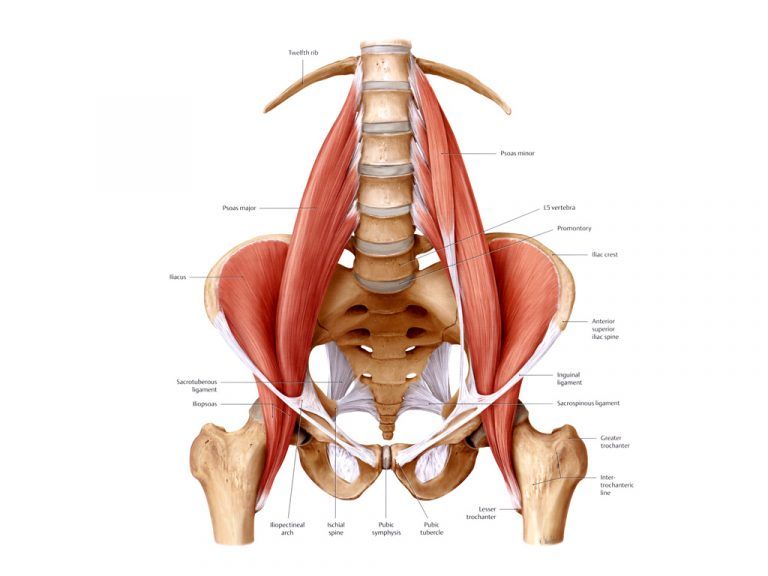
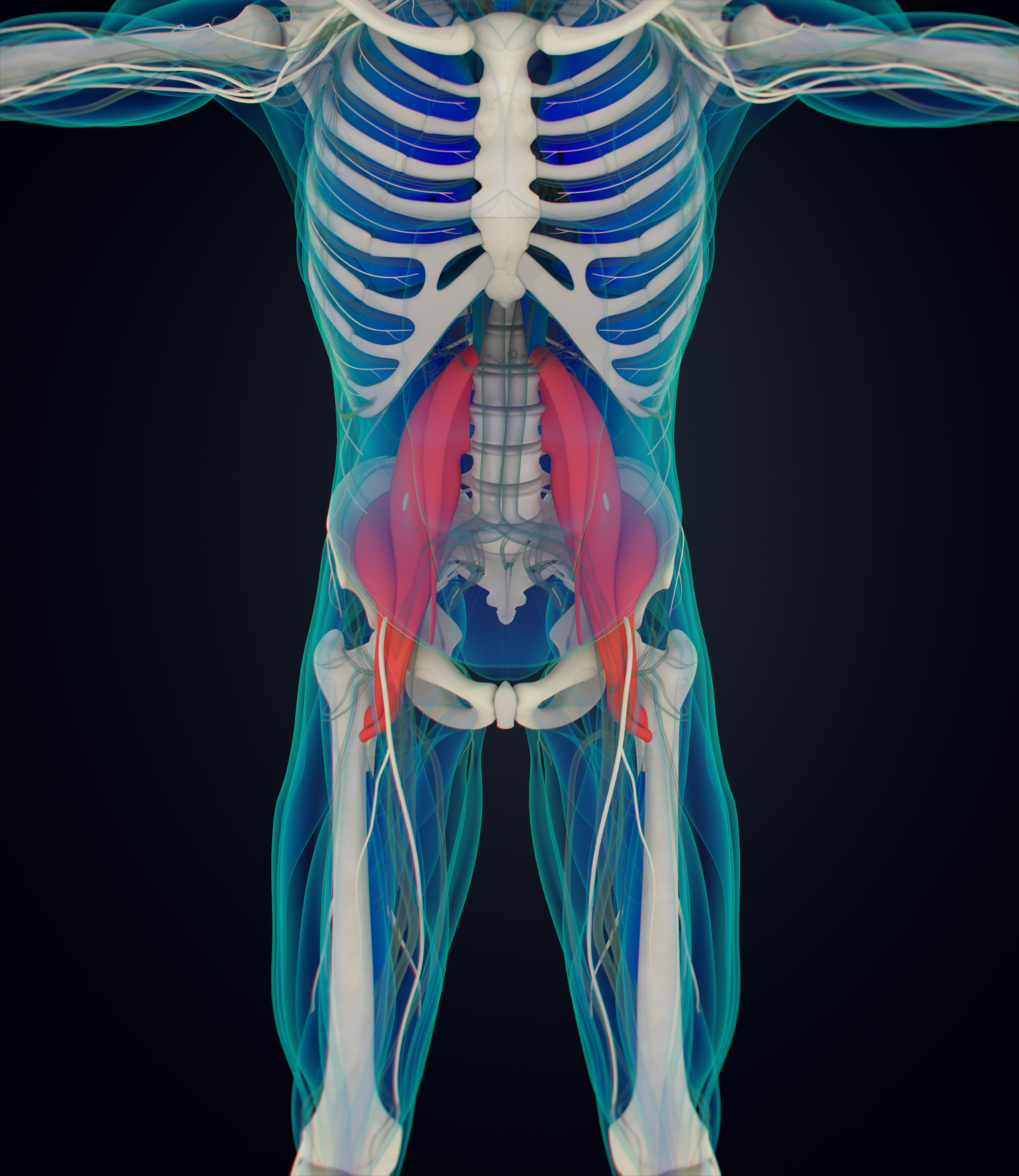
Anatomically, the iliopsoas is a deep core muscle composed of the psoas major, psoas minor, and iliacus. It connects the lumbar spine to the inner thigh at the femur, passing through the pelvic basin. It is the only muscle that directly links the spine to the legs, making it central to posture, movement, and stability. But its importance goes far beyond anatomy.
The iliopsoas sits directly in front of the spine, wrapping around the deepest organs of the body — kidneys, adrenal glands, and major blood vessels. It lies close to the diaphragm and is intimately connected to the vagus nerve and the autonomic nervous system. This is why the state of the psoas reflects the state of our nervous system.
In Chinese medicine, this region corresponds to the Kidney system, the reservoir of Jing — our deep constitutional energy, our vitality, and our ancestral essence. When the psoas is chronically tight, it compresses the kidneys and adrenal glands, keeping the body in a state of constant vigilance. When it is supple and responsive, it allows for fluidity, resilience, and true relaxation.
In my work, I see the iliopsoas as the emotional and energetic center of gravity of the body — a place where survival, identity, and embodiment converge.
THE ILIOPSOAS AND THE NERVOUS SYSTEM
The iliopsoas is not just a muscle of movement; it is a muscle of perception. It is deeply involved in the fight-or-flight response. When we sense danger, real or imagined, the psoas contracts reflexively, pulling the body into a protective, curled posture — like a fetus in the womb.
This is an ancient survival mechanism. In nature, animals coil before they flee or defend themselves. Humans do the same — but unlike animals, we often never fully release that contraction.
Over years of stress, trauma, emotional suppression, or chronic hypervigilance, the iliopsoas can become stuck in a state of contraction. This creates a cascade of consequences:
Over years of stress, trauma, or chronic pressure, the psoas can become locked in a protective state. This can lead to:
- Chronic lower back pain
- Hip stiffness and imbalance
- Pelvic misalignment
- Digestive dysfunction
- Shallow breathing
- knee pain
- Leg restriction
- Circulation issues in the legs
- Bowel issues
- Chronic fatigue
- Hernias
- Indigestion
- Anxiety and hypervigilance
- A feeling of never being truly at ease.
From a neurophysiological perspective, a chronically contracted psoas sends a constant message to the brain: “We are not safe.” This keeps the sympathetic nervous system activated and inhibits the vagus nerve’s ability to restore the body to parasympathetic balance. In the NeuroPath Reset Method, we do not treat the psoas as an isolated muscle — we treat it as a gateway to the entire nervous system. When the psoas softens, the whole body remembers safety.
THE ILIOPSOAS AS THE MUSCLE OF TRAUMA
In my decades of working with trauma, I have learned that trauma does not live in the mind — it lives in the body. And nowhere is this more evident than in the iliopsoas. Trauma — whether physical, emotional, or psychological — is stored as muscular holding patterns. The psoas is particularly prone to this because it is directly connected to survival responses.
Every shock, every fear, every unprocessed stress can leave an imprint here. I have worked with countless clients whose anxiety, chronic pain, or emotional numbness were rooted in a contracted psoas. They did not need more therapy, more thinking, or more talking — they needed to release this deep, primal holding pattern. When the psoas is chronically tight, it pulls the body forward, compresses the diaphragm, and restricts breathing.
This creates a perpetual state of internal tension. People in this state often feel like they are bracing against life itself. I believe and have been a witness that true healing begins when the psoas is allowed to soften.
THE ILIOPSOAS AND BREATH
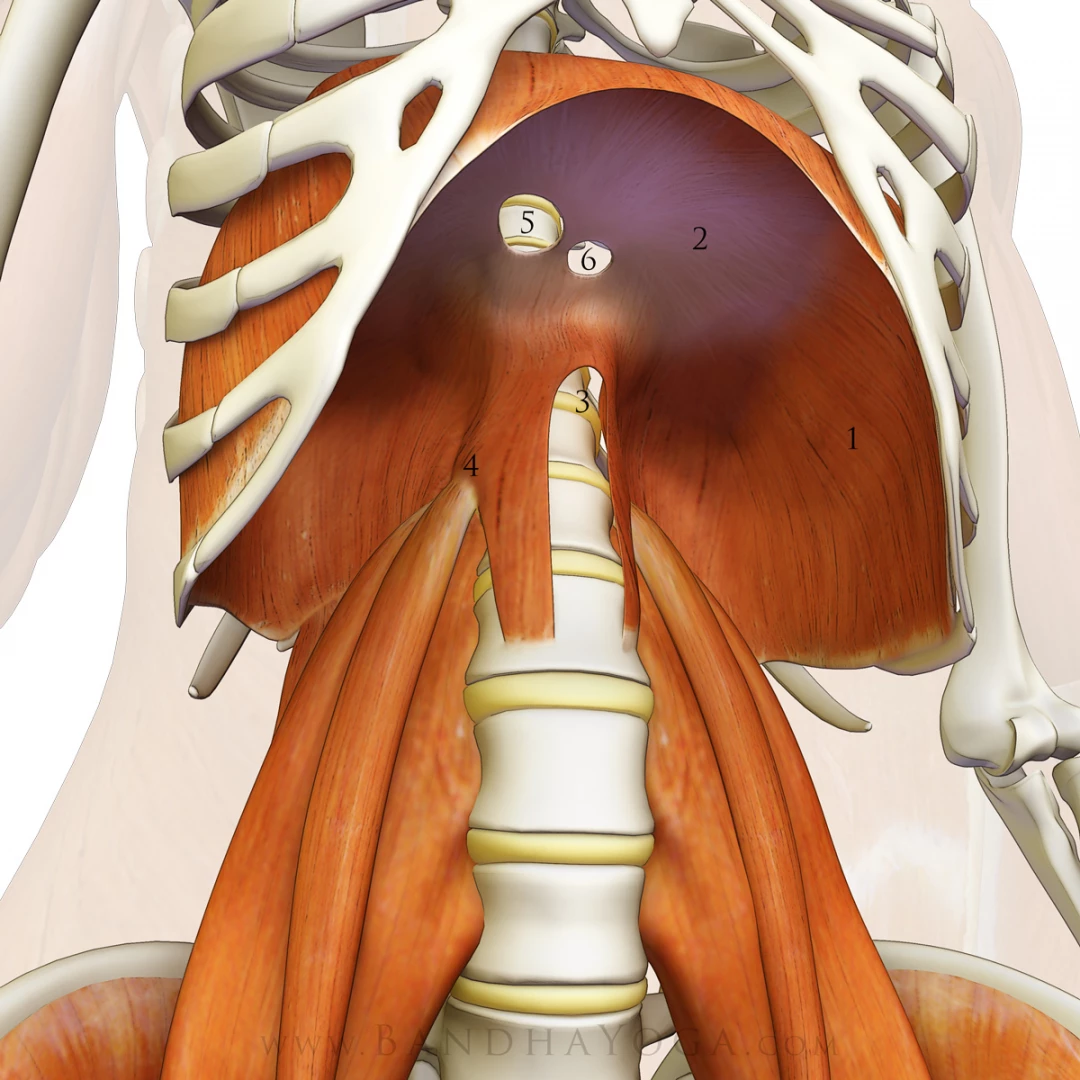
The psoas and the diaphragm are intimately connected. When the psoas is tight, the diaphragm cannot descend fully, leading to shallow, chest-dominant breathing. This keeps the nervous system in a heightened state of alertness.
In my work, breath is always the doorway to change.
When we slow the breath and extend the exhale, we stimulate the vagus nerve and gently invite the psoas to release. This is not about forcing relaxation — it is about creating the conditions for the body to feel safe enough to let go.In Shiatsu, when I work along the lower abdomen, hips, and lumbar spine, I am not just addressing muscle tension — I am dialoguing with the nervous system through the psoas. As the breath deepens, the body unwinds, layer by layer.
THE ILIOPSOAS IN SHIATSU AND BODYWORK
In Shiatsu, we understand that the body is not a machine but a living, energetic field. The psoas sits at a crossroads of major meridians — Kidney, Liver, Stomach, and Gallbladder — making it a central hub of both structural and energetic balance.
When I work with the psoas in Shiatsu, I approach it with deep respect. I never approach it first and always earn my way through the protective patterns of trauma click here to read
This is not a muscle to be forced or aggressively stretched. It is a muscle that must be invited to release. Through gentle pressure, holding, and listening touch, we create a sense of safety in the tissues. The psoas responds not to strength, but to presence. As it softens, people often experience emotional release — tears, deep sighs, spontaneous memories, or a profound sense of relief. This is not a coincidence. The psoas is unwinding years of stored tension.
THE ILIOPSOAS AND POSTURE: HOW WE STAND IN THE WORLD
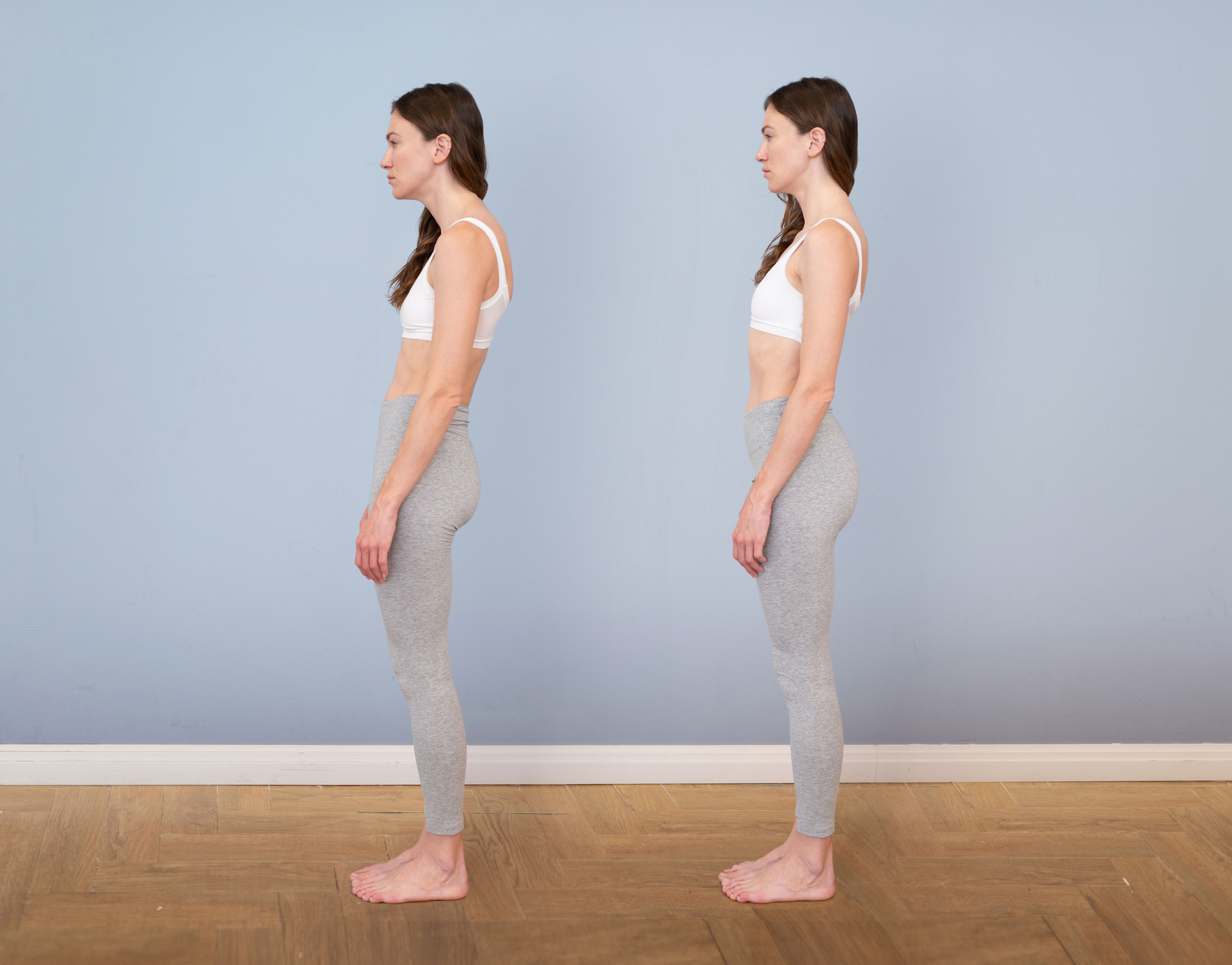
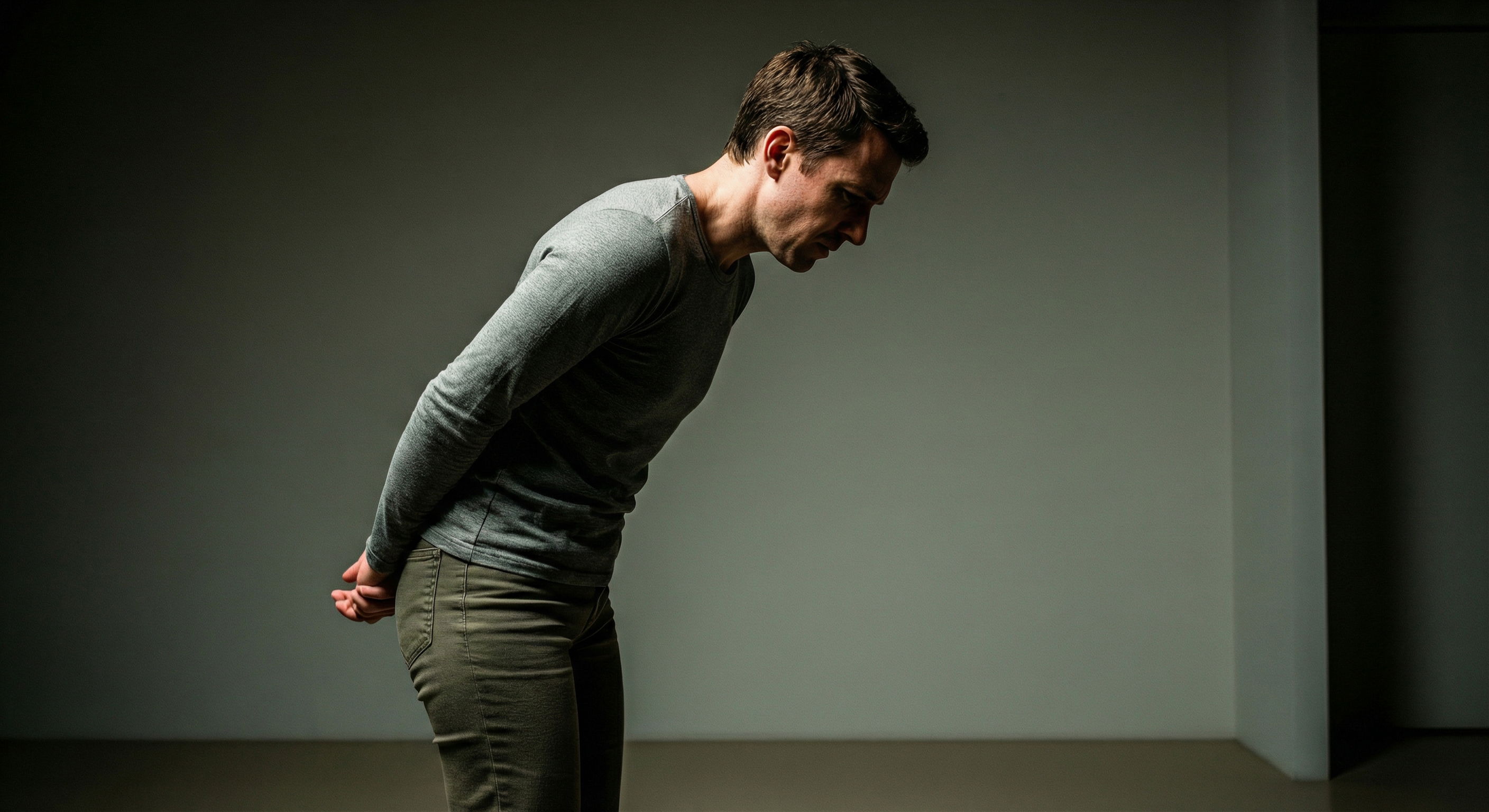
Your posture is a reflection of your inner state. A tight psoas pulls the pelvis forward into an anterior tilt, compressing the lower back and creating chronic lumbar strain. This is why so many people suffer from “mysterious” back pain that does not respond to chiropractic or stretching alone. But this is not just about posture — it is about how you stand in life. A contracted psoas often correlates with:• A sense of defensiveness
• Difficulty trusting others
• Feeling unsupported
• Fear of moving forward
• Emotional rigidity.
When the psoas releases, posture changes naturally. The spine lengthens, the chest opens, the breath deepens, and the body feels lighter. People literally feel more grounded and present in their lives.
THE ILIOPSOAS AND HEALING
Healing the psoas is not about exercises or techniques — it is about restoring the body’s innate sense of safety. In my work, this involves a combination of:• Slow, conscious breathing
• Gentle somatic movement
• Shiatsu and body-based touch
• Nervous system regulation practices
• Emotional processing and integration.
The goal is not to “fix” the psoas, but to re-educate it — to remind it that it no longer needs to protect, brace, or contract. When the iliopsoas finally relaxes, something profound happens. The body feels more open, the mind becomes clearer, and the heart feels softer. People often report feeling more connected to themselves and to life. This is the true power of the iliopsoas — not just as a muscle, but as a doorway to embodiment, healing, and transformation.
CONCLUSION: RETURNING TO THE WISDOM OF THE ILIOPSOAS
The iliopsoas is not just the most powerful muscle in the body — it is the keeper of our deepest instincts, our oldest memories, and our capacity for resilience. In a world that constantly pulls us into stress, speed, and disconnection, learning to listen to and soften the psoas is an act of profound self-care and self-respect.
When we work with the iliopsoas consciously — through breath, touch, movement, and presence — we are not just releasing tension. We are reclaiming our capacity to feel safe in our own bodies. And from that safety, true healing begins.
Yours Truly,
Mihael Mamychshvili
Creator NeuroPath Reset Method
*For in-person trainings, go to:https://www.neuropathresetmethod.com/workshops-retreats
*For online courses: https://www.neuropathresetmethod.com/online-courses