Autoimmune Disease, Trauma, and the Body’s Long Memory
A Shiatsu & TCM Perspective on Trauma‑Rooted Autoimmune Disease
People living with **autoimmune disease** are often given a simplified explanation:
*“Your immune system is confused.”
*“It’s attacking itself.”
“We need to suppress it.”*
While these statements describe *what* may be occurring biologically, they rarely address a deeper and more clinically relevant question:
What did the nervous system and the body have to adapt to in order to survive?
From a Shiatsu, Traditional Chinese Medicine (TCM), and trauma‑informed medicine perspective, many autoimmune conditions are not random malfunctions. They are intelligent survival adaptations shaped by long‑term stress, unresolved trauma, and nervous system dysregulation.
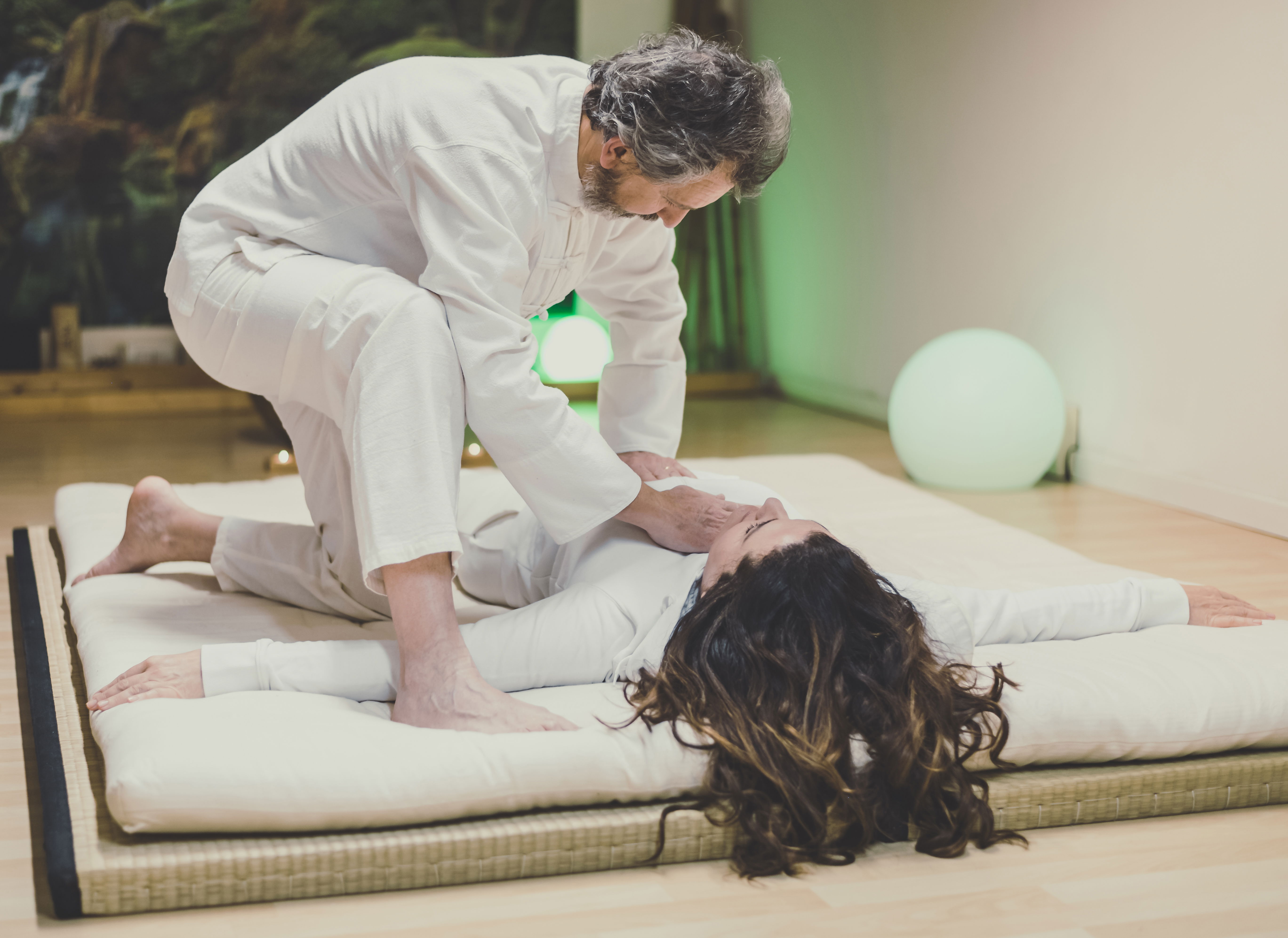
Trauma Is Not the Event — It Is the Physiological Imprint
Trauma is not defined by the event itself, but by what the nervous system could not safely process at the time.
In clinical practice, many people with **autoimmune disorders** share histories that include:
* Early childhood stress, emotional neglect, or inconsistent caregiving
* Chronic relational insecurity or boundary violations
* Long‑term pressure to perform, succeed, or remain emotionally contained
* Medical trauma or repeated invasive interventions
* Suppressed anger, grief, fear, or self‑expression
These experiences do not disappear. They become encoded as patterns of autonomic nervous system activation, shaping immune behaviour over time.
The body internalizes a single governing belief:
“It is not safe to rest.”
Nervous System Dysregulation as the Root of Autoimmune Disease
Both modern neurobiology and classical Eastern medicine recognize the same hierarchy: the nervous system regulates the immune system.
When the nervous system remains locked in survival mode:
* Sympathetic dominance persists
* Vagal tone decreases* Inflammatory signaling increases
* Immune tolerance becomes impaired
Over time, immune activity turns inward — not as self‑destruction, but as chronic hyper‑vigilance.
From this lens, autoimmune disease is not a failure of the immune system. It is protection without resolution.
The Shaoyin Axis: Trauma, Survival, and Autoimmune Patterns
In Traditional Chinese Medicine, trauma‑rooted autoimmune conditions frequently involve disruption of the Shaoyin axis, the functional relationship between the Heart and Kidney systems.
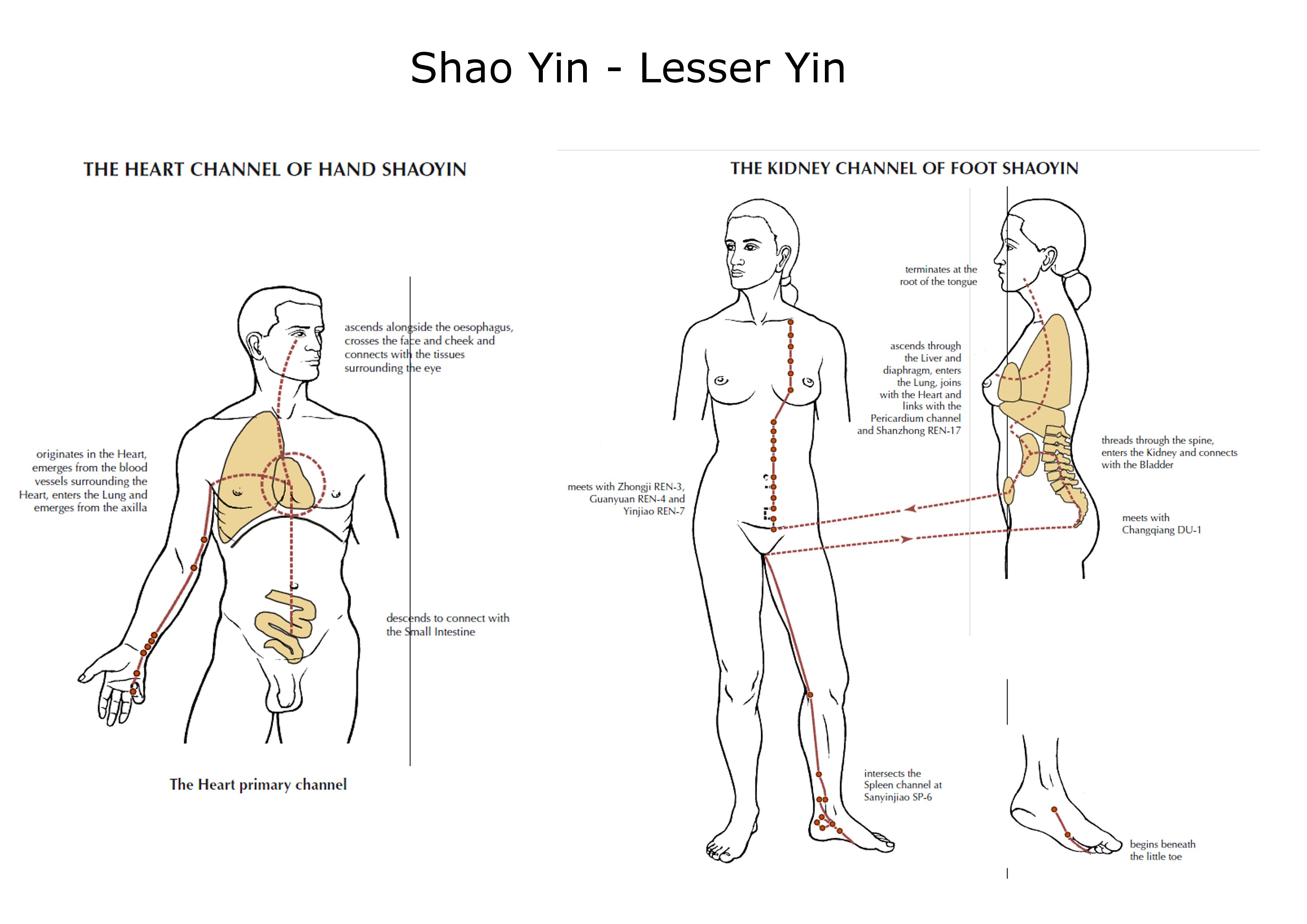
*Kidneys govern Jing, long‑term reserves, and survival capacity *Heart governs Shen — coherence, trust, and integration
When trauma is prolonged:
* Kidney energy withdraws to conserve life
* Heart loses its stabilizing anchor
* Repair, regeneration, and immune discernment are deprioritized
Clinically, this pattern often presents as:
* Chronic fatigue or autoimmune flares without clear triggers
* Non‑restorative sleep
* Emotional containment with internal tension
* Feeling disconnected from bodily signals
* High functioning followed by collapse
The body is not failing. It is conserving resources for survival.
Why Conventional Autoimmune Treatments Often Fall Short
Many people with autoimmune disease pursue increasingly aggressive interventions:
* Immune suppression or modulation
* Detox protocols* Supplement stacking
* Restrictive dietary regimens
* High‑intensity therapies
Yet symptoms frequently worsen or relapse.
From a Shiatsu and trauma‑informed TCM perspective, this is expected. A nervous system shaped by trauma interprets forceful intervention as another threat.
Healing does not begin with stimulation or suppression. It begins with safety and regulation.
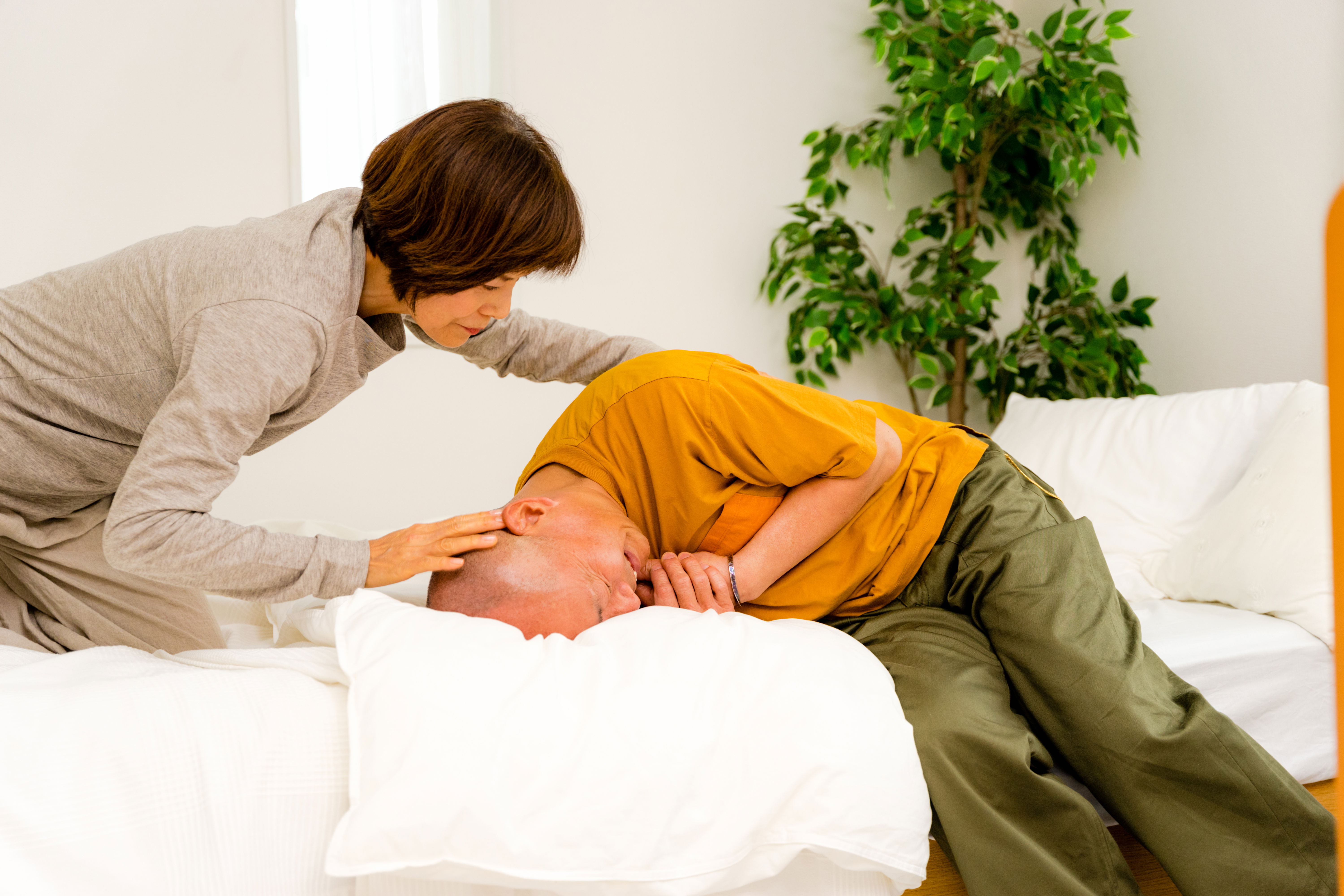
Shiatsu Therapy as Trauma‑Informed Autoimmune Care
In trauma‑rooted autoimmune disease, Shiatsu therapy is not applied to correct pathology or force energetic change.
It is used to restore relational safety within the body.
Slow, listening touch allows the nervous system to register a new experience:
“I am being met, not fixed.”
Gentle work along the Kidney, Heart, and Pericardium meridians supports:
* Autonomic nervous system regulation
* Reduced inflammatory signalling
* Improved immune tolerance
* Emotional containment and integration
Qi is not pushed. Qi reorganizes when safety is restored.
Client Case: Autoimmune Healing Through Nervous System Safety
Maria (name changed) presented with long‑standing autoimmune symptoms, including joint inflammation, chronic fatigue, digestive dysregulation, and episodic flares. Despite multiple diagnoses and treatments, her symptoms persisted.
What had never been addressed was her nervous system history.
Early Shiatsu sessions focused exclusively on regulation — not detoxification, immune stimulation, or symptom suppression. Treatment emphasized grounding, containment, and restoration of the Heart–Kidney relationship.
After several sessions, Maria reported:
*“My body doesn’t feel like it has to stay on guard anymore.”*
Over the following weeks:
* Sleep quality improved
* Flares shortened and became less intense
* Digestive symptoms stabilized
* Fatigue shifted from collapse to communication
The most profound change was relational:
“I don’t feel like my body is fighting me,” she said. “It feels like it finally trusts me.”
As nervous system safety increased, inflammatory activity reduced — not through suppression, but through restored regulation.
A Trauma‑Informed Model for Autoimmune Healing
Autoimmune disease with roots in trauma requires a different clinical framework.
Not one of control or suppression — but of regulation, restoration, and resilience.
When the nervous system experiences safety:
* Autonomic balance improves
* Repair mechanisms reactivate
* Immune discernment returns
*Healing is not forced. It is invited through safety.
*Safety restores regulation.
*Regulation restores immunity.
*And immunity, when trusted again, remembers how to protect without harm.
Healing is not forced.
It is invited through safety.
Sincerley Yours,
Mihael Mamychshvili
Creator NeuroPath Reset Method
*For in-person trainings, go to:
https://www.neuropathresetmethod.com/workshops-retreats
*For online courses: