Amazon Retreat for Nervous System Healing & Trauma-Informed Reset

An Amazon Retreat Can Support Deep Healing - Reflection for therapists, practitioners, and those who sense the need for something different
There comes a point in healing where adding more techniques doesn’t create more change. Most of the people drawn to my work already know this — intellectually, clinically, and often through personal experience. Insight alone doesn’t settle the nervous system. More tools don’t necessarily bring more safety. And effort, especially sustained effort, can sometimes deepen exhaustion rather than resolve it. At a certain stage, what the system needs is not more work — it needs a different context. This is where retreats, when held with care and integrity, can become profoundly supportive.

Healing is contextual
From the perspective of the nervous system, healing never happens in isolation. The body is always orienting to its surroundings — sensing rhythm, threat, safety, and coherence. When daily life remains fast, fragmented, and overstimulating, even the most precise therapeutic work has limits. Changing the environment changes the conversation. A retreat in a place like the Amazon does something very simple and very powerful: it removes the background pressure that keeps the system in a state of vigilance. People don’t need to be convinced to slow down — they slow down because the environment invites it.
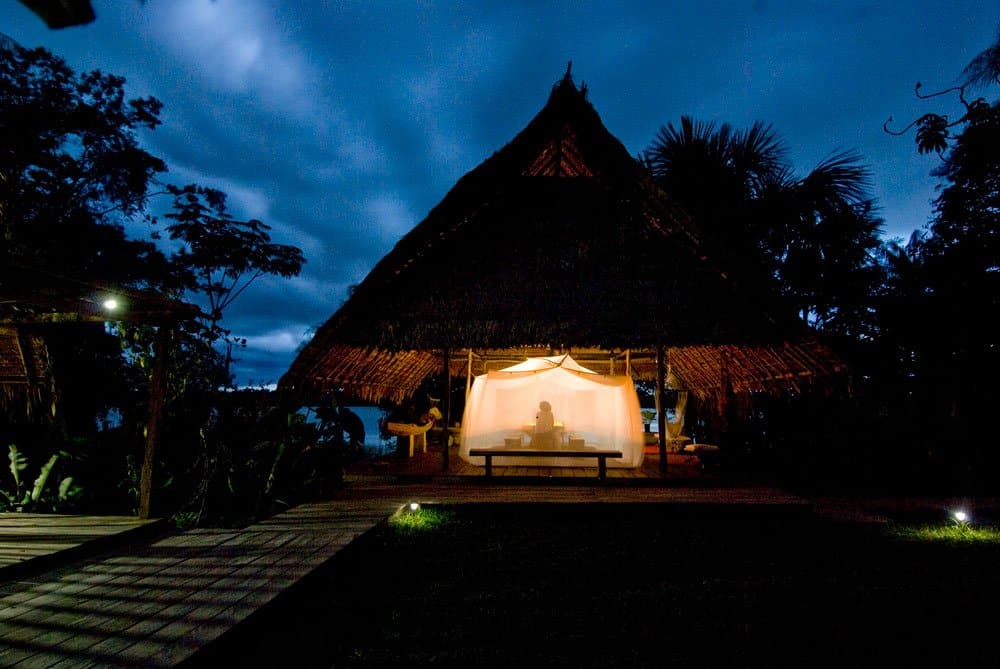
Why the Amazon matters
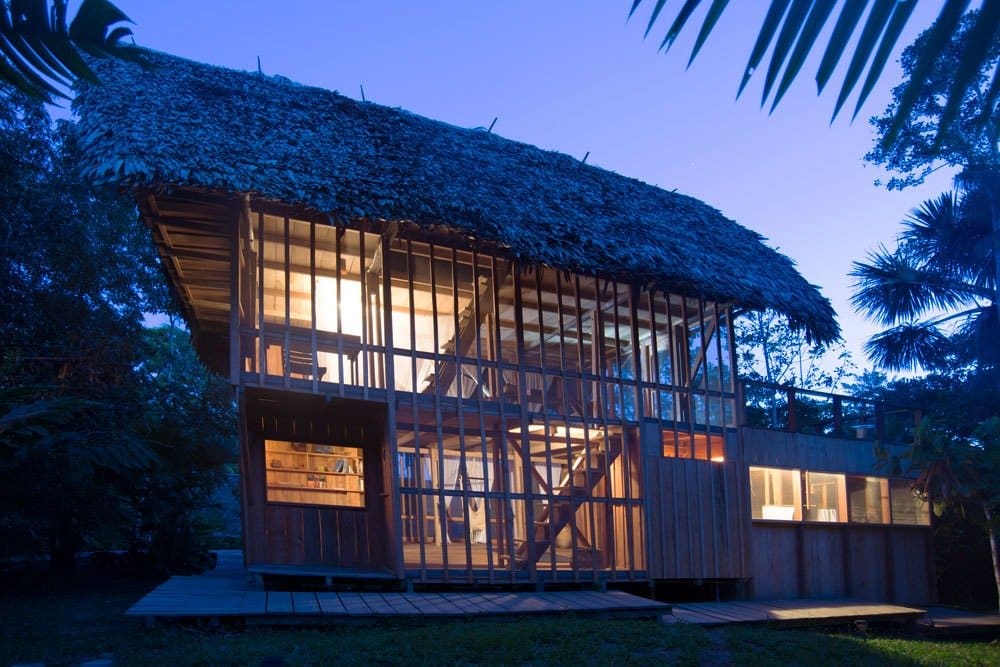
The Amazon is not just a beautiful location. It is a regulating one.The density of life, the consistency of natural rhythms, the absence of artificial stimulation, and the constant presence of sound, green, and movement all speak directly to the autonomic nervous system.What I’ve consistently observed is not dramatic catharsis, but quieter shifts:
- sleep deepening within a few days
- mental noise reducing
- emotions moving without force
- a felt sense of being held by something larger
These changes don’t come from suggestion or belief. They emerge because the body finally receives the conditions it needs.
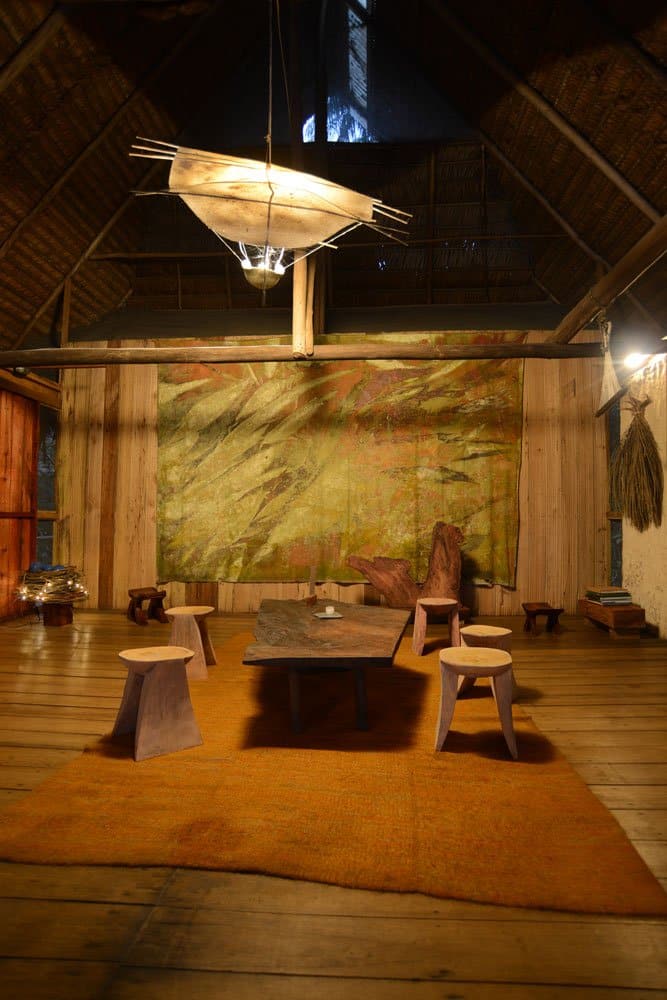
This is not about doing more healing work
Many people arrive tired of trying to improve themselves. This retreat is not designed to push anyone into processing, reliving, or fixing. There is no requirement to share, perform, or break through anything. The invitation is much simpler:
- listen to the body
- allow sensation and emotion to complete naturally
- let the nervous system reorganize in its own timing
For therapists especially, this often becomes a lived reminder of something we already teach — that regulation comes from safety, not from effort.
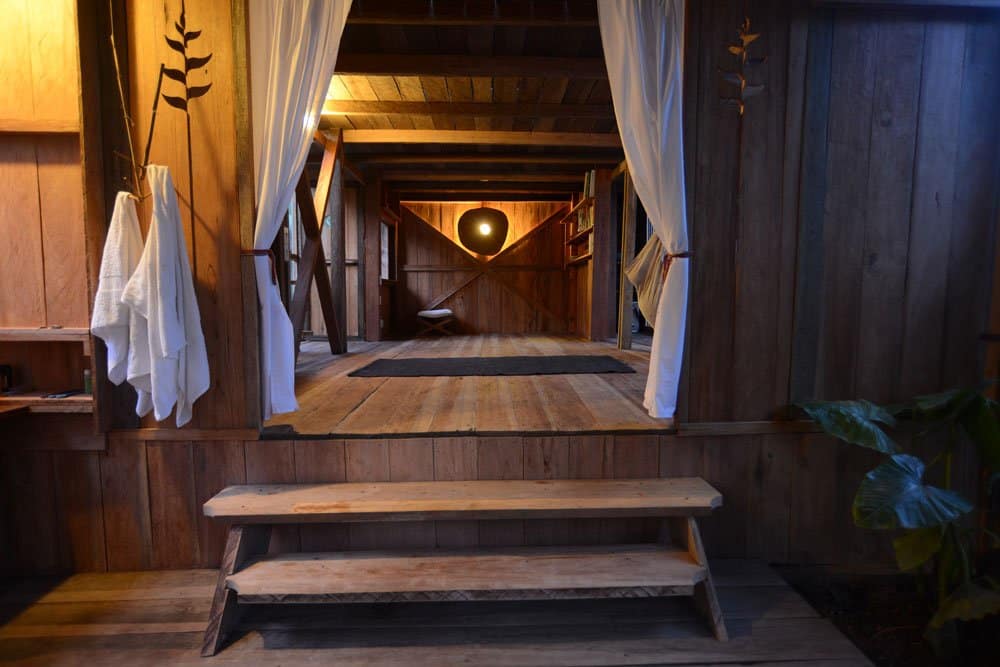
A note for therapists and practitioners
If you work with trauma, chronic pain, or nervous system dysregulation, your own state is never separate from your work.Over time, many practitioners accumulate fatigue that isn’t obvious on the surface — it shows up as subtle tightening, reduced curiosity, or the sense of having to try a little harder than before.Time in a coherent environment can restore something essential:
- presence without strain
- clarity without analysis
- intuition without urgency
People often return not with new techniques, but with more space — and that space changes how they listen, touch, and respond. This is not professional training. It is professional nourishment.
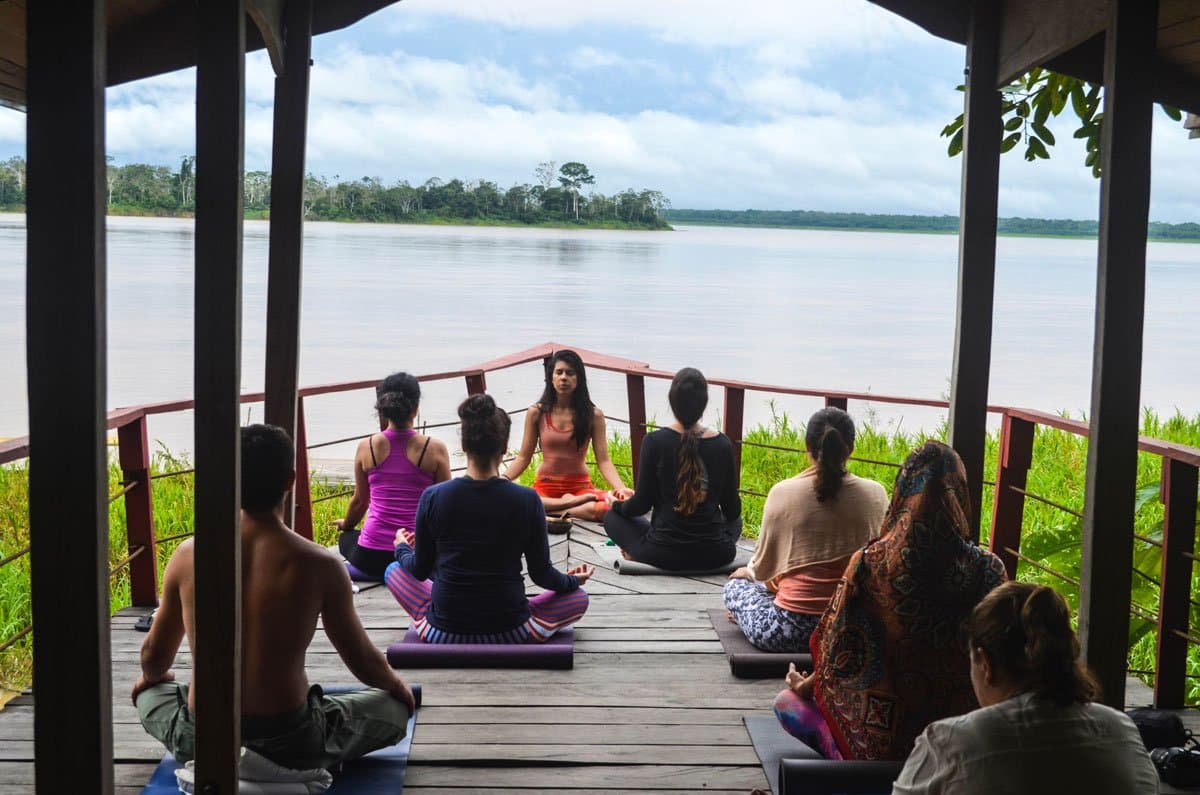
Community without pressure
Another quiet aspect of this retreat is the relational field. The group is intentionally small. There is no obligation to explain yourself, introduce your story, or be anything in particular. Conversation arises when it does. Silence is welcome. For many, especially those who hold space for others in their daily lives, this kind of simple, unforced togetherness is deeply regulating.
Who this retreat may serve
This retreat may be supportive if you:
- work as a therapist, bodyworker, or practitioner
- live with chronic stress, pain, or nervous system overload
- feel capable and functional, yet inwardly depleted
- sense that what you need is space, not strategies
- feel drawn to nature as a stabilizing force
It may not be the right fit if you are seeking high-intensity experiences, constant activity, or externally driven transformation.
Closing
Real healing is often understated. It happens when pressure eases. When the system feels safe enough to soften. When life slows down just enough for something essential to come back online. This Amazon retreat is not about leaving life behind. It’s about returning with more regulation, clarity, and capacity.
If something in you feels quietly interested
— not excited, not urgent — that’s usually the signal worth listening to.
Yours Truly
Mihael Mamychshvili
Creator NeuroPath Reset Method
*For in-person trainings, go to:https://www.neuropathresetmethod.com/workshops-retreats
*For online courses: https://www.neuropathresetmethod.com/online-courses