El vínculo oculto entre el dolor visceral y los trastornos de salud mental

Why unresolved pain in the organs and deep body tissues can shape mood, anxiety, trauma patterns, and emotional resilience
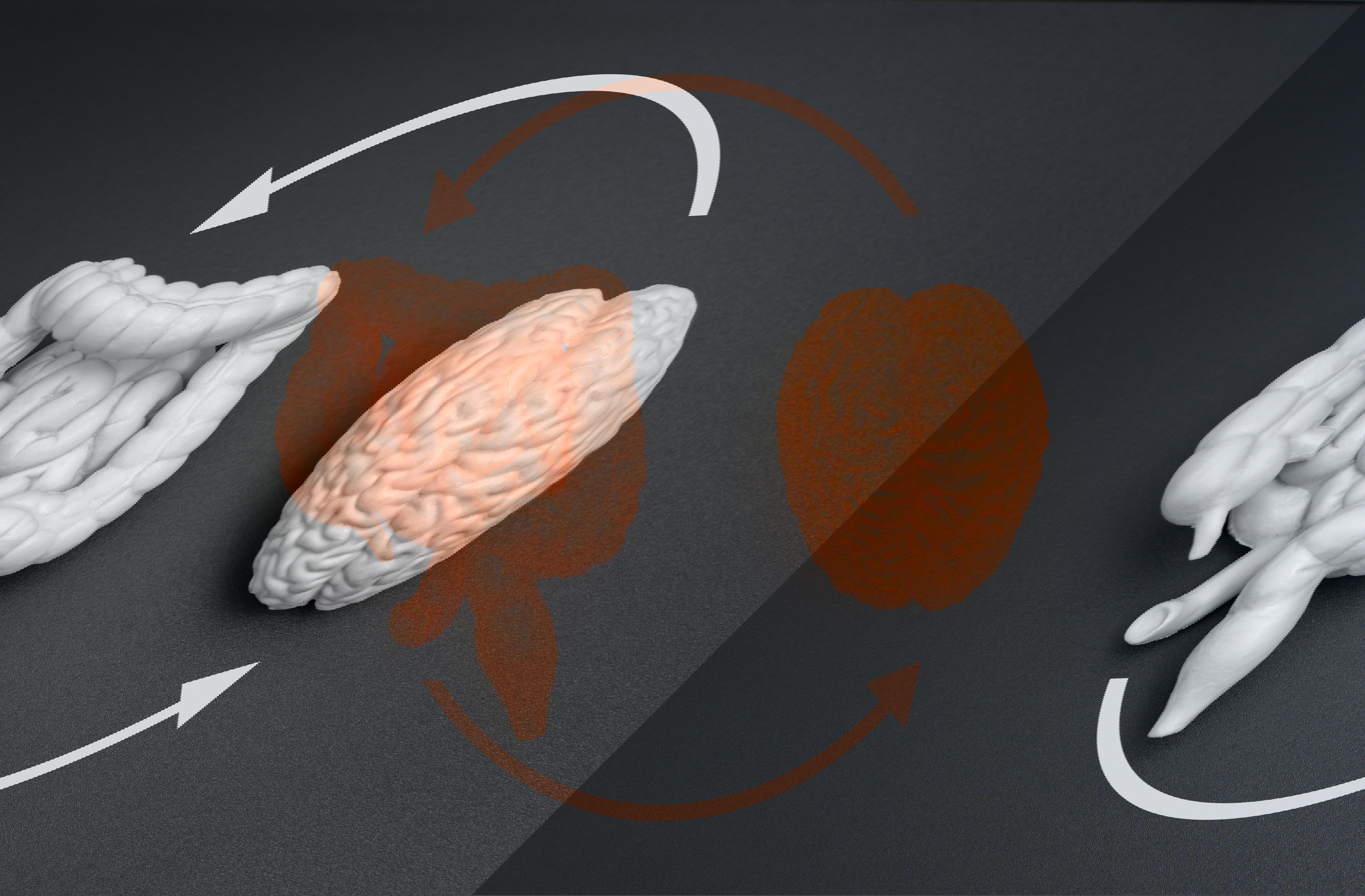
There is a conversation happening inside the body long before the mind finds words for it. As a practitioner working for decades with trauma, chronic pain, and the nervous system, I have seen again and again that what people often label as “mental health issues” are not just psychological. They are deeply physiological, embodied, and often rooted in unresolved patterns held within the viscera — the internal organs, fascia, diaphragm, gut, pelvis, and connective tissues that quietly shape our emotional and neurological state.
This is a conversation modern healthcare still often misses.
When someone lives with persistent digestive discomfort, pelvic pain, abdominal tightness, unexplained nausea, reflux, constipation, menstrual pain, bladder irritation, or a constant feeling of pressure and unease in the belly, they are not only dealing with a physical inconvenience.
They may be living inside a body that is continuously sending distress signals to the brain. And over time, that changes everything.
The Body Does Not Separate Physical Pain From Emotional Safety
The viscera are not passive structures. They are richly innervated, deeply connected to the autonomic nervous system, and in constant communication with the brain through pathways such as the vagus nerve, enteric nervous system, spinal cord, hormonal signalling, and immune messengers. In simple terms:
Your organs are talking to your brain all day long.
And if those organs are inflamed, restricted, hypersensitive, congested, compressed, or locked in a protective stress response, the brain begins to interpret the world through that lens.
This means that someone may not only have gut pain or pelvic pain — they may begin to experience:
- heightened anxiety
- irritability
- hypervigilance
- emotional overwhelm
- poor stress tolerance
- low mood
- insomnia
- panic-like sensations
- chronic fatigue
- inability to feel settled or safe
This is not “all in their head.”It is often all through their system.
Why Visceral Pain Is So Emotionally Charged
Pain in the organs and deep core of the body has a different psychological impact than pain in a shoulder or ankle. Why?
Because the viscera are linked to survival. The gut, diaphragm, heart space, lungs, reproductive organs, bladder, and intestines are deeply associated with our primal sense of safety, nourishment, elimination, intimacy, breathing, and control.
When there is chronic tension or pain in these areas, the nervous system can become subtly but persistently dysregulated. A person may not consciously think, “I am unsafe.”
But the body may be living that message 24 hours a day. And when the body lives in a state of constant threat long enough, the mind starts organizing around it. This is one of the reasons why so many people with chronic visceral pain begin to also experience depression, anxiety, trauma symptoms, dissociation, emotional reactivity, or a collapse in resilience.
Trauma Often Lives in the Belly Before It Lives in Words

In my clinical experience, some of the deepest trauma patterns do not first show up as memories or stories. They show up as:
- a frozen diaphragm
- a guarded abdomen
- a clenched psoas
- a collapsed solar plexus
- bowel dysfunction
- pelvic holding
- breath restriction
- nausea under stress
- chronic “butterflies” that never leave
- a belly that feels armored, numb, or painfully reactive
This is especially true in people who have lived through:
- chronic childhood stress
- emotional neglect
- unsafe attachment
- abuse
- invasive medical experiences
- grief
- shock or accidents
- relational betrayal
- years of suppressing emotion to survive
The body often protects first and explains later. And if we only treat the mind without listening to the body, we leave a major part of the healing conversation untouched.
Real Clinical Patterns I See Again and Again
Case 1: “Anxiety” That Was Living in the Gut
A woman came to see me after years of being told she had anxiety. She described constant unease in her chest and stomach, difficulty relaxing, poor sleep, bloating after meals, urgency with bowel movements, and a feeling that her body was “always bracing for something.”
She had done therapy. She had insight. She understood her patterns.
But her body still would not let go. When we began working through the abdomen, diaphragm, vagal pathways, and the deeper holding patterns around the solar plexus and gut, it became clear that her nervous system was living in a chronic visceral alarm state.
Her belly was not soft.
Her breathing was not free.
Her system was not receiving the safety message.
As her body began to unwind, something remarkable happened: She did not just have less digestive pain.
She became less anxious.
Her sleep improved.
Her emotional reactions softened.
Her sense of internal threat has reduced. She could think more clearly and feel more like herself again. What had been called a “mental health issue” was in large part also a body-held survival pattern.
Case 2: Pelvic Pain, Shame, and Emotional Shutdown
Another client had been living with chronic pelvic pain and tension for years. She had seen multiple practitioners and had received scans and assessments, but emotionally, she felt increasingly hopeless. She had become withdrawn, disconnected from intimacy, exhausted, and numb.
She described feeling “cut off from life.”
As we worked carefully and respectfully through the pelvis, sacrum, lower abdomen, breath, and trauma physiology, it became clear that her body had not only stored pain — it had stored protection.
There was a profound freeze response in her system. Her pelvic pain was not just local. It was part of a larger pattern of bracing, emotional suppression, and unresolved threat.
As the body began to trust again, she reported something incredibly important:
“I don’t just feel less pain. I feel more present in my life.”
That is the piece many treatment models miss. Pain reduction matters.
But restoring a person’s relationship to themselves matters even more.
Case 3: Reflux, Overdrive, and the Inability to Rest
A high-functioning professional came in with chronic reflux, upper abdominal tightness, jaw tension, and what he described as “a nervous system that never shuts off.”
He was successful, productive, disciplined — and deeply dysregulated. He had normalized living in a sympathetic overdrive state for years. His body was constantly “on,” and his digestive system was paying the price.
What became evident through treatment was that his diaphragm was locked, his upper abdomen was guarded, his breathing was shallow, and his entire internal system was functioning as if it could never truly land. The reflux was not only dietary.
It was neurological.
It was mechanical.
It was emotional. As his body softened and his autonomic state shifted, his digestion improved — but equally important, his mood, patience, clarity, and capacity to be with his family changed.
He said, “I didn’t realize how much my internal tension was shaping my personality.”That sentence stayed with me. Because it is true for so many people.
When the Organs Suffer, the Mind Often Follows
There is now growing recognition that chronic visceral pain is strongly associated with:
- anxiety disorders
- depression
- PTSD and trauma symptoms
- panic states
- health anxiety
- sleep disturbances
- emotional dysregulation
- somatization
- burnout and nervous system depletion
But even without the research, many clinicians can see it in practice.A person who lives in ongoing pain, unpredictability, inflammation, and internal alarm cannot easily access regulation.And if the brain is constantly receiving distress from the body, it becomes harder to feel:
- calm
- trust
- joy
- connection
- groundedness
- emotional spaciousness
The body is not just carrying symptoms.
It is shaping perception.
Why Talking Alone Often Isn’t Enough
Insight is valuable. Therapy is valuable. Mental health support is valuable. But if the diaphragm is still locked, the gut is still braced, the pelvis is still in defence, and the vagal system is still under threat, many people remain stuck in a loop where they understand their patterns mentally but cannot fully shift them physiologically.
This is why body-based approaches matter so much. When we work skillfully with the tissues, breath, fascia, organs, autonomic nervous system, and the body’s deeper protective reflexes, we are not just “releasing tension.”
We are helping the body update its reality. And when the body no longer has to shout through pain, pressure, clenching, or collapse, the mind often becomes quieter too.
Healing Requires We Listen to the Body’s Deeper Language
Visceral pain is not random noise. It is often the body’s way of saying:
- I am overloaded
- I am protecting
- I am inflamed
- I have not processed what I have lived through
- I do not yet feel safe enough to soften
This does not mean every digestive or pelvic issue is “caused by trauma.” That would be simplistic and irresponsible. But it does mean that if we ignore the role of the nervous system, the fascia, the organs, and unresolved survival physiology, we may miss one of the most important keys to healing.
True healing often begins when we stop treating the mind and body as separate departments. Because they never were.
Final Thoughts
One of the greatest misunderstandings in health today is this: We still too often treat emotional suffering as though it lives only in the mind, and physical pain as though it lives only in the tissues. But in reality, they are deeply intertwined.
The gut feels.
The diaphragm remembers.
The pelvis protects.
The organs speak.
And the nervous system is listening to it all. If we want to truly help people heal from anxiety, trauma, depression, chronic stress, and pain, we must learn to listen beneath the symptom — into the body’s deeper story. That is where so much of the truth lives. And often, that is where healing begins.
If you want to learn more, book a one-on-one session or attend a workshop/retreat.
Mihael Mamychshvili
Creator NeuroPath Reset Method
Trauma and chronic pain educator, teacher, therapist